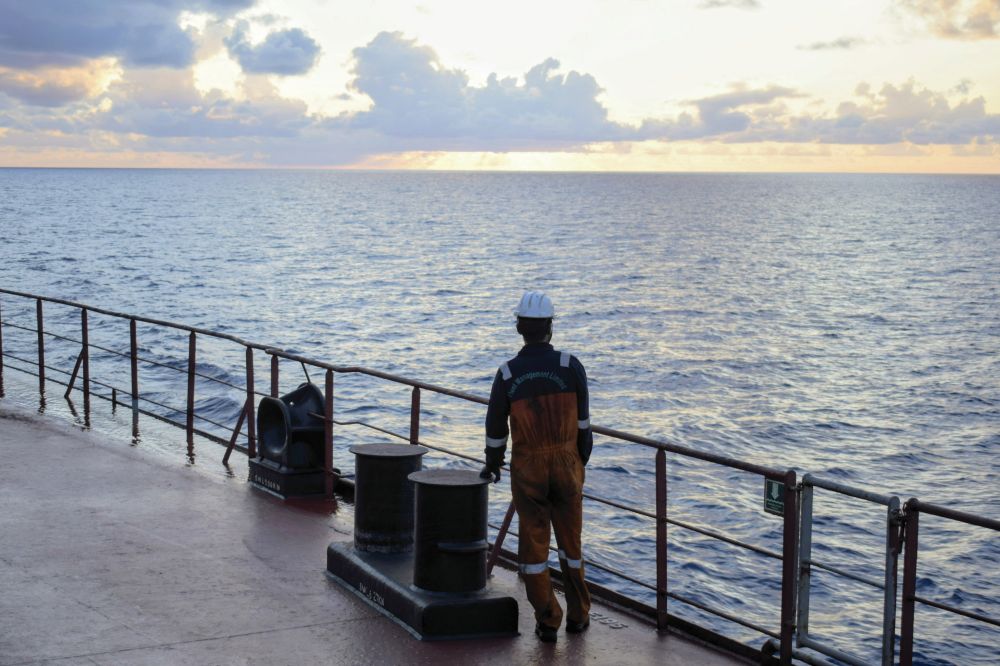
The maritime industry is entering a new era of transformation, driven by rapid advances in digitalization, automation, artificial intelligence and other emerging technologies. From shipboard operations and navigation to safety, efficiency and environmental performance, these developments are redefining the way ships are operated and the competencies required of seafarers. Yet, as technology continues to evolve, the human element remains at the core of safe, secure and sustainable shipping.
In this issue of Robban Assafina, maritime experts examine how seafarers can adapt to an increasingly technology-driven operating environment, the importance of continuous training, reskilling and lifelong learning, and the role of shipowners, maritime training institutions and regulators in supporting this transition.
Keeping People Central
As the maritime industry undergoes rapid transformation driven by digitalization, automation, artificial intelligence, and emerging technologies, the human element remains at the center of the workforce. In this regard, Dr. Capt. Osama Fawzy Elbayoumi, Vice Dean for Educational Affairs, College of Maritime Transport & Technology, Arab Academy for Science, Technology & Maritime Transport (AASTMT), Egypt, states that the maritime industry is entering a new era in which digitalization, automation, artificial intelligence, and data-driven decision-making are fundamentally reshaping ship operations, ports, and global logistics. Yet, despite these technological advances, the human element remains the cornerstone of maritime safety, operational resilience, and sustainable development.
Dr. Capt. Elbayoumi stresses that technology should be viewed as an enabler rather than a replacement for professional competence. While intelligent systems can optimize navigation, predict equipment failures, and automate repetitive tasks, they cannot replace human judgement, ethical decision-making, leadership, and situational awareness during complex or emergency situations.
“The future maritime workforce will not be defined by technology itself, but by professionals who possess the competence to manage technology responsibly, safely, and innovatively.
Center of Maritime
From the regulatory perspective, Ismael Cobos Delgado, Deputy Director, Sub-Division for Operational Safety and Human Element, Maritime Safety Division, International Maritime Organization (IMO), emphasizes that the human element has been and will always be at the center of maritime. “Shipping continues to experience a transformation with the development of new, emerging and advancing technologies, including digitalization and, more generally, Maritime Autonomous Surface Ships, the human element continues to play a vital role in the maritime sector both on board and ashore.”
Delgado adds that the wide-ranging scope and importance of the human element make it a shared responsibility of IMO, as the regulatory body; Member States, as implementers; companies, as providers of the necessary resources, safety policies and safety culture; and seafarers, as the individuals who physically operate ships. He notes that this is a commitment that also involves other UN agencies such as the International Labour Organization (ILO), and with it, its constituents, including the social partners (shipowners' organizations and seafarers' unions).
He further explains that this is why the human element is a strategic direction and an overarching principle in the Strategic Plan of IMO, guiding the development and implementation of both new and existing requirements to ensure the safe, secure and environmentally sound operation of ships.
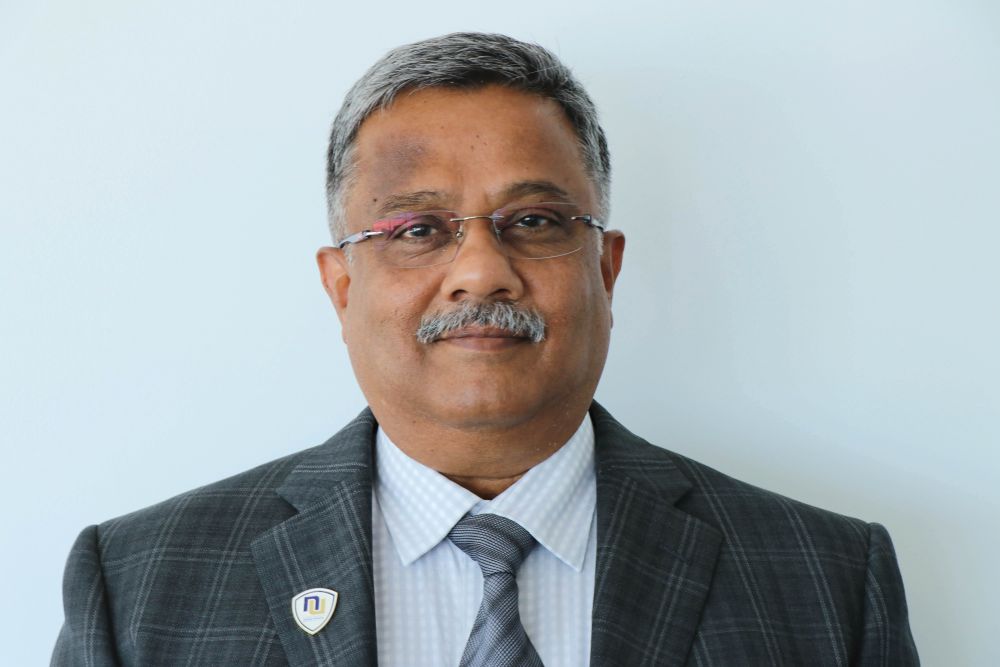
Capt. Rajkumar, Dean
Meanwhile, Capt. Rajkumar, Dean – International Maritime College Oman, National University of Science & Technology, believes that technology is changing shipping, but people will always be the most important asset. “AI and automation should support seafarers, not replace them, while human judgment, leadership, teamwork, and decision-making remain essential, especially during emergencies.”
Capt. Rajkumar further emphasizes that the future maritime workforce should combine technical knowledge with strong human skills. Success will come from using technology to improve safety, efficiency, and sustainability while keeping people at the heart of every operation.
Future Maritime Workforce
As the maritime industry becomes increasingly technology-driven, preparing the future workforce requires a combination of technical competence, digital skills, continuous learning, and strong human capabilities, alongside close cooperation between shipping companies, maritime education and training institutions, and regulatory bodies.
Ismael Cobos Delgado, states that the issue of ensuring that seafarers are ready to face ongoing trends, developments and challenges is something that IMO is addressing all the time. “Advances in digitization, automation, and emerging technologies are reshaping ships’ operations and the competencies required of seafarers. At the same time, social developments call for greater attention to diversity, gender equality, and the growing participation of women in the maritime workforce.”
Delgado explains, “IMO is currently undertaking a comprehensive review of the International Convention on Standards of Training, Certification and Watchkeeping for Seafarers, 1978 (STCW Convention), which provides the global framework for the training and certification of seafarers. He notes that this review, the third comprehensive review, including the 1995 and 2010 amendments, will ensure not only that the STCW Convention continues to serve as a foundation for safe, sustainable and human-centered maritime operations, but also that State Parties are able to implement the instrument effectively and consistently.”
He further explains that the review primarily aims to deliver a modernized STCW Convention and Code that reflects technological advances, evolving social standards and seafarers at the heart of maritime safety. “Areas linked with seafarers’ standards of competence, such as emerging technologies and ship operations, including digitalization; quality of training; and psychological safety and mental health; as well as those directly related to the effective implementation of the Convention, form part of the comprehensive review.”
For his part, Capt. Rajkumar, says that future seafarers need both technical and soft skills. They should understand digital systems, automation, AI, cybersecurity, and alternative fuels. At the same time, they must strengthen leadership, communication, problem-solving, and critical thinking. Continuous learning is essential because technology is evolving rapidly. Seafarers who can adapt, learn new skills, and work confidently with modern technology will remain valuable throughout their careers.
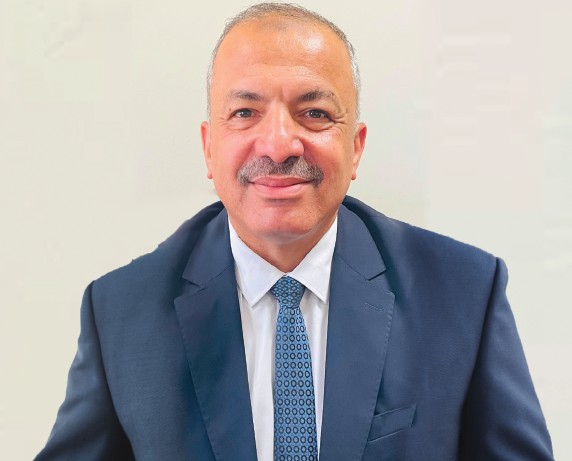
Capt. Osama Fawzy Elbayoumi
Dr. Capt. Osama Fawzy Elbayoumi, states that tomorrow's seafarers will require a significantly broader competency profile than previous generations. He notes that traditional navigation, engineering knowledge, cargo operations, and safety management remain essential, but they must now be complemented by digital competencies that support modern ship operations.
Dr. Capt. Elbayoumi further explains that future officers should develop expertise in integrated bridge systems, automation technologies, artificial intelligence applications, predictive maintenance, cyber security awareness, environmental compliance, and data-driven operational decision-making.
Future of Maritime
Turning to the role of companies, training institutions, and regulators, Capt. Rajkumar describes this as a shared responsibility. Shipping companies should provide practical onboard training and exposure to new technologies, while maritime institutions must regularly update their curriculum and invest in modern simulators. Regulators, he adds, should ensure international standards keep pace with technological changes.
“Strong collaboration between industry, academia, and regulators will prepare seafarers with the skills needed for a safe, efficient, and sustainable maritime future.
From the IMO perspective, Cobos Delgado notes that a report published in June 2026, “Digital skills in maritime education and training: A global deep dive into people, skills, and readiness for change”, from IMO’s World Maritime University (WMU), found that the maritime workforce is not keeping pace with the rapid adoption of digital technologies.
He explains that the report, commissioned by Lloyd’s Register Foundation through the Global Maritime Trends programme, found that more than 80% of seafarers surveyed report receiving digital skills training rarely or not at all, despite strong appetite to learn.
Also, Delgado notes that there is room for all stakeholders to look into opportunities in the context of their own responsibilities. “All stakeholders need to cooperate and coordinate with each other on a permanent basis, from the initial stages of developments to the effective implementation of both technologies and measures to ensure their integration in shipping. “Education and training are a complex web in which all have to play a role,” Delgado concludes.
Dr. Capt. Elbayoumi similarly, emphasizes that preparing the next generation of maritime professionals requires a genuine partnership between industry, academia, technology providers, and regulators. He states that shipping companies should become active partners in education by identifying future competency requirements, providing onboard exposure to emerging technologies, supporting cadet development, and investing in lifelong learning for their employees.
Sustaining Maritime Careers
As technological transformation continues to reshape the maritime sector, questions surrounding the long-term sustainability of maritime careers and the ability of the workforce to remain relevant are becoming increasingly important.
Capt. Rajkumar, notes that technology will change jobs, but it will also create new career opportunities. In this context, he stresses that the focus should be on reskilling and upskilling rather than replacing people. “Continuous professional development, lifelong learning, and industry partnerships will help seafarers stay relevant, adding that investing in people today will ensure a skilled workforce that can meet the future needs of the maritime industry while supporting long-term employment and career growth.”
Building on this perspective, Dr. Capt. Osama Fawzy Elbayoumi, notes that technology will undoubtedly transform maritime employment, but history consistently demonstrates that technological revolutions reshape professions more often than they eliminate them. “Automation will reduce repetitive manual activities while creating growing demand for highly qualified professionals capable of supervising intelligent systems, interpreting operational data, managing cyber risks, and making complex operational decisions.”
Against this backdrop, he believes that the industry's greatest investment should be continuous reskilling and upskilling rather than workforce reduction. Educational institutions and employers must establish lifelong learning frameworks that enable maritime professionals to update their competencies throughout their careers. At the same time, professional development should extend beyond technical knowledge to include digital leadership, sustainability, innovation management, systems thinking, and interdisciplinary collaboration.
“The objective should not be preparing seafarers for today's vessels, but preparing them for technologies that may not yet be fully deployed.”
From the regulatory perspective, Delgado notes that shipping is transforming and workforce sustainability has to be built into that transformation rather than treated as a side effect of it.
In this regard, Delgado points to the ongoing comprehensive review of the STCW Convention and Code, which is expected to have profound and lasting impact on national Administrations, training institutions, the maritime industry and seafarers worldwide.
He explains that as revised training and certification requirements are implemented, seafarers gain the competencies the industry increasingly needs, which supports both continued employability and career progression, and should result in sustained improvements in safety, professionalism and well-being across the global maritime workforce.
Human-Centered Technology
Looking ahead, the relationship between technology and the maritime workforce will depend not only on the capabilities of emerging technologies, but also on how effectively they are integrated with human expertise, professional competence, and the wider conditions affecting maritime professionals.
Capt. Rajkumar, notes that AI improves navigation, maintenance, fuel efficiency, and decision support, making ships safer and more efficient. However, he stresses that overdependence on AI may reduce practical skills and critical thinking if not managed carefully.
“Some routine jobs may change, but new roles in digital operations and data management will emerge. AI should be viewed as a tool that supports human expertise, not as a replacement for professional seafarers.”
Dr. Capt. Osama Fawzy Elbayoumi, states that artificial intelligence represents one of the most significant technological developments currently influencing global shipping. “Its applications already support voyage optimization, predictive maintenance, cargo planning, emissions reduction, weather routing, autonomous monitoring, risk assessment, and administrative automation. These capabilities improve operational efficiency while supporting safer and more environmentally sustainable shipping.
At the same time, Dr. Capt. Elbayoumi stresses that AI also introduces important human-factor challenges. Excessive reliance on automated systems may gradually reduce manual ship-handling proficiency, navigational judgement, and practical problem-solving skills if training programs fail to preserve operational competence.
From Delgado’s perspective, one of its strategic directions is to “Integrate new, emerging and advancing technologies in the regulatory framework”, which means weighing the benefits of these technologies with maritime safety, security, cybersecurity, environmental and trade considerations, alongside their impact on personnel, both on board and ashore.
“This strategic direction, together with the fact that the human element is an overarching principle in the Strategic Plan of IMO, helps ensure the full and consistent integration of both technological developments and the human element throughout the work of the Organization for an inclusive transition.”
Additionally, Delgado says that the role of the shipping industry, and particularly the social partners, is absolutely fundamental. Their engagement, both in shaping rule making and in the day-to-day running of ships, will determine whether technological progress strengthens or undermines the human element. Ensuring that these core issues receive full attention is indispensable for a genuinely inclusive and sustainable transition.
Shaping Maritime Tomorrow
As the maritime industry continues to integrate artificial intelligence and advanced digital technologies, the future will increasingly depend on how effectively technology and professional expertise work together to enhance safety, efficiency, and the resilience of the maritime workforce.

Ismael Cobos Delgado
Ismael Cobos Delgado, notes that it is still premature to assess the impact, either positive or negative, on shipping and seafarers. He stresses that AI is a powerful tool and, like all tools, needs to be carefully assessed to see where it can help efficiency. He adds that people need skills and confidence to use digital tools effectively to get the most benefit and that, from a regulatory perspective, the industry is still at a very incipient stage.
From the workforce perspective, Capt. Rajkumar, stresses that the future of shipping will be built on collaboration between people and technology. He notes that digital tools will improve safety and efficiency, but skilled professionals will continue to make the final decisions.
Capt. Rajkumar further emphasizes that governments, industry, and educational institutions must work together to provide quality training, equal opportunities, and continuous learning. A people-centered approach, he notes, will ensure that technological progress benefits both the industry and the maritime workforce.
Dr. Capt. Osama Fawzy Elbayoumi, similarly envisions a maritime industry built upon intelligent collaboration between people and technology rather than competition between them.
He explains that future ships, ports, and logistics systems will become increasingly connected through artificial intelligence, digital twins, autonomous technologies, big data, and integrated operational platforms. Within this environment, he notes, human expertise will become even more valuable because professionals will be expected to supervise complex systems, validate automated decisions, manage risks, and respond effectively to unforeseen situations.
“Achieving this future requires investment in people before technology. Educational institutions must continue modernizing curricula, expanding simulation capabilities, strengthening industry partnerships, and embedding digital transformation across all maritime disciplines.
In his closing remarks, Dr. Capt. Elbayoumi notes that the maritime industry is entering one of the most transformative periods in its history. “Technology alone cannot build a resilient maritime sector. It is the competence, professionalism, adaptability, and leadership of maritime professionals that will determine how effectively these innovations are implemented to enhance safety, sustainability, and operational excellence.”
Robban Assafina is now on WhatsApp channel. Click Here
|
To read the full content, click on the following link: Robban Assafina, Issue 103, July/Sep 2026, Maritime Host, pg. 67 |