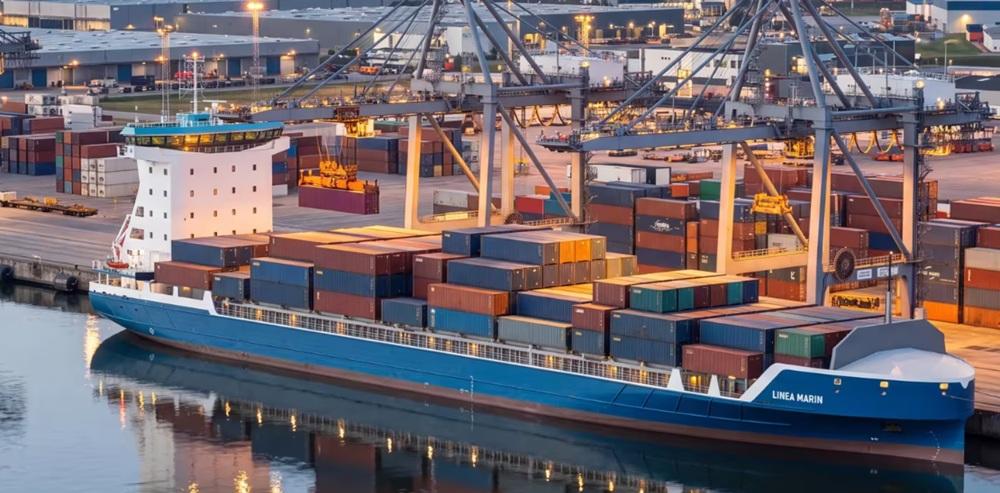
As AI accelerates the digital transformation of the maritime sector, education and training institutions are racing to adapt. To understand how this shift is unfolding, we consulted four leading experts in this field: Dr. Hassan M. Attar, Head of Marine Engineering Department in the Faculty of Maritime Studies at King Abdualziz University, KSA; Dr. Ahmed Youssef Taha, Maritime Education and Training Consultant, and Senior Maritime Faculty in East Coast College, UK; Dr. Dmitry Mikhaylov, Director of Research Projects at Abu Dhabi Maritime Academy, UAE; and Dr. Estephan Assal, Attorney At Law , and Director of The Maritime Sciences and Technology Institute (Marsati), Lebanon. Together, they paint a comprehensive picture of how AI is reshaping skills development, simulation, and the future of seafarer preparation.
AI in Maritime Education
As Artificial Intelligence continues to redefine industries across the globe, its integration into maritime education and training programs is becoming increasingly prominent. In this context, Dr. Hassan Attar pointed out that “King Abdulaziz University’s Faculty of Maritime Studies is exploring AI applications in areas such as energy efficiency monitoring, autonomous navigation, and condition based maintenance to ensure that our students gain hands on experience with technologies currently shaping modern shipping. This approach aligns with Saudi Vision 2030, which emphasizes digital transformation and advanced skills development across the education sector”.
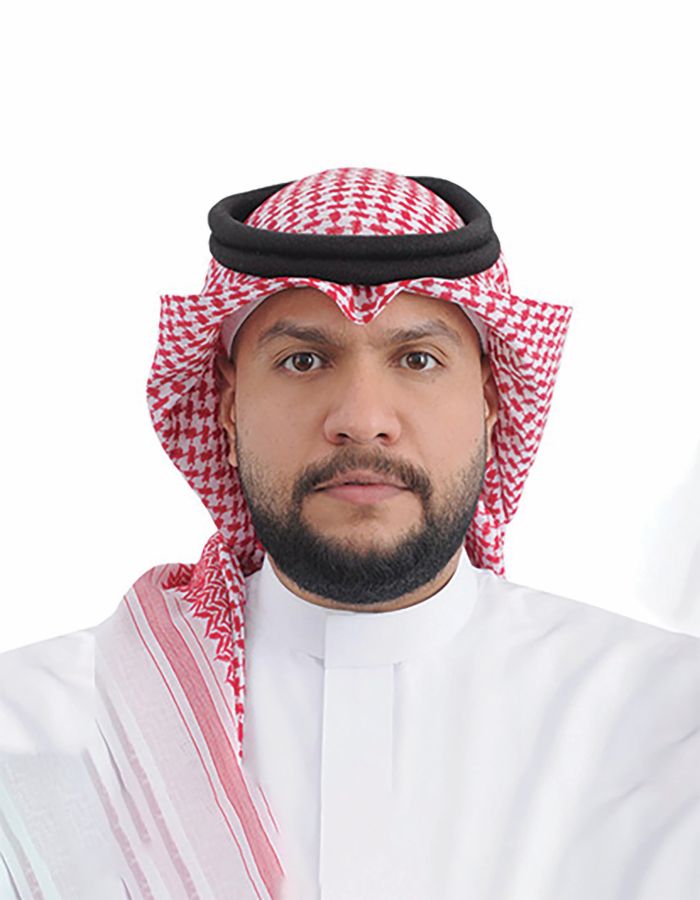
Dr. Hassan M.Attar
Similarly, Dr. Ahmed Youssef Taha highlighted that “Artificial Intelligence is rapidly transforming maritime education by enhancing both delivery and accessibility of training programs worldwide. He noted that institutions are leveraging platforms like Blackboard Ultra, integrated with Collaborate and Panopto, to create flexible and dynamic learning environments. AI tools such as Blackboard’s AI Design Assistant support educators in generating tailored course content and assignments, while Collaborate and Panopto enhance virtual classrooms with AI-powered transcription, engagement analytics, video summaries, smart chapters, and multilingual translations”.
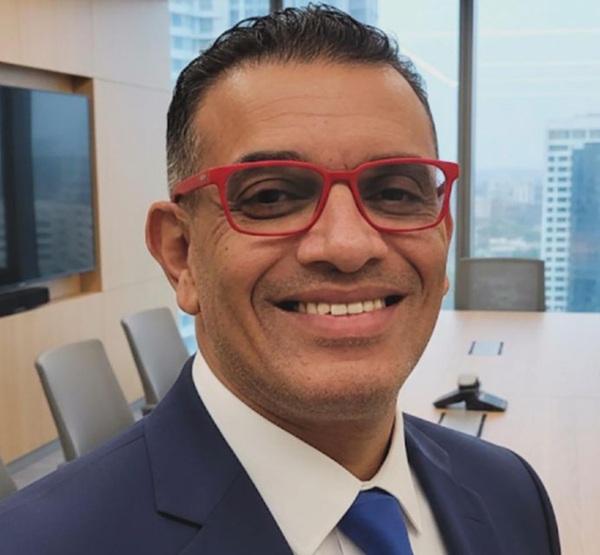
Dr. Ahmed Youssef Taha
Looking ahead, he added that “the development of virtual campuses, such as the one currently underway, represents the next frontier. These campuses will incorporate immersive technologies like VR/AR for bridge operations, engine room simulations, and port logistics, supported by AI tutors and real-time analytics. Institutions are also adopting frameworks like the Project-work Artificial Intelligence Integration Framework (PAIIF) to embed AI into maritime engineering and operations projects, fostering hands-on learning and innovation”.
In the same regard, Dr. Dmitry Mikhaylov noted that modern academies are incorporating AI-based simulators, adaptive tutoring systems, and predictive analytics to personalize learning and strengthen decision-making skills.
He further explained that “AI engines can generate real-time, high-risk scenarios, ranging from sudden weather changes to system failures or cyberattacks, allowing cadets to train in conditions that closely mirror real maritime operations. He also pointed out that AI-driven analysis of real fleet data is now widely used to teach predictive maintenance across institutions from the Abu Dhabi Maritime Academy to World Maritime University, marking the transition to continuous, intelligent training ecosystems”.
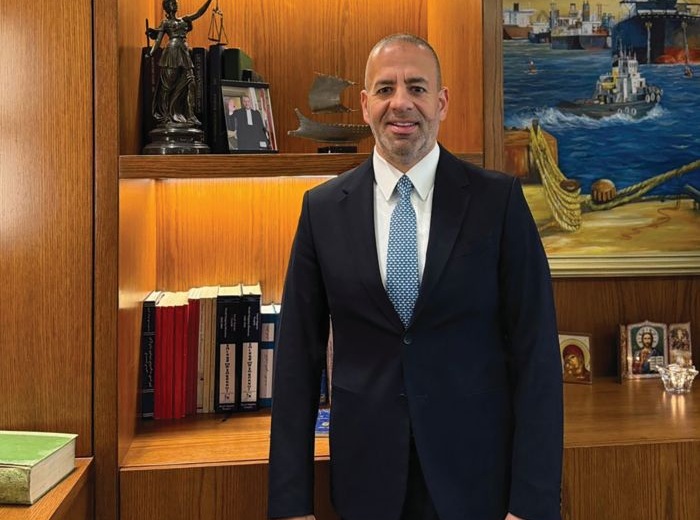
Dr. Estephan Assal
In addition, Dr. Estephan Assal stated that “Artificial Intelligence is becoming an integral part of maritime education through adaptive learning platforms, smart simulators, predictive analytics for training performance, and automated assessment tools. Institutions are embedding AI in simulators, safety drills, and route optimization exercises to better prepare cadets for real-world scenarios using data-driven environments”.
Blending Digital and Practical
All four experts agreed that AI-powered simulators and virtual reality environments should complement rather than replace traditional hands-on maritime training.
In this regard, Dr. Ahmed explained that “according to the IMO, autonomous ships are categorized into four degrees, from crewed vessels with decision-support systems to fully autonomous ships operating without human intervention. For Degrees 3 and 4, where ships are remotely controlled or fully autonomous, AI and VR environments can effectively replace physical training by focusing on system oversight, diagnostics, and remote operations. In contrast, Degrees 1 and 2 still require human presence and manual intervention, making hands-on experience essential”.
Similarly, Dr. Assal pointed out that “AI-powered simulators and VR bring unmatched realism and scalability for complex or rare situations, but practical onboard experience is indispensable for developing seamanship, leadership, and human decision-making under pressure”.
Furthermore, Dr. Mikhaylov highlighted that “AI and VR are extensions of traditional training, capable of generating scenarios impossible to reproduce physically, such as engine room fires or autonomous system breaches. Yet, real-world practice remains irreplaceable for building intuition, coordination, and spatial awareness”.
In the same context, Dr. Attar emphasized that “AI and immersive technologies allow students to safely practice high-risk scenarios, analyze their decisions, and repeat exercises under varied conditions. A blended approach ensures safety and operational excellence while meeting IMO and STCW standards”.
Modernizing Maritime Curricula
According to Dr. Ahmed, “many institutions struggle to update maritime course content quickly enough, risking underprepared graduates, and limited professional development leaves educators feeling overwhelmed or unready to integrate AI effectively. Strong management commitment and investment are crucial for successful curriculum modernization. Educators also need more familiarity with AI applications, from predictive analytics for vessel performance to virtual reality for emergency response training”.
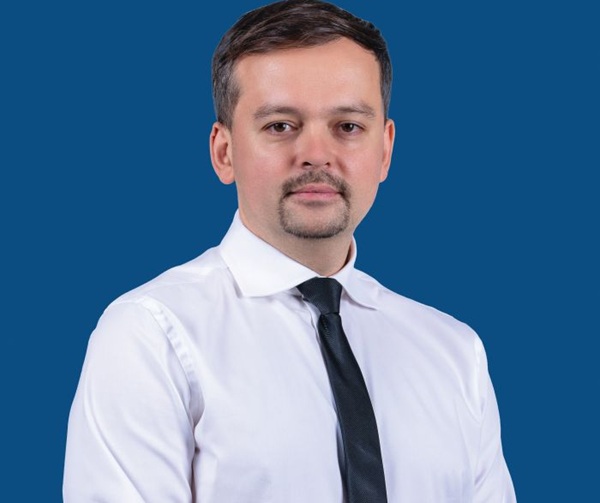
Dr. Dmitry Mikhaylov
In this regard, Dr. Mikhaylov suggests modular, update-ready courses and cloud-based content management as solutions. “Challenges also include limited access to high-quality maritime datasets and the need for instructors to interpret AI outputs, often requiring partnerships with AI labs and continuous upskilling”.
Furthermore, Dr. Attar stressed the importance of continuous collaboration between academia and industry. “By fostering partnerships with maritime companies, technology providers, and research centers, universities can keep their programs responsive to real world developments. Faculty members also need ongoing professional development to effectively teach and manage emerging technologies, supported by institutional initiatives that encourage innovation and interdisciplinary integration”.
Building on that, Dr. Assal stated that “by 2035, maritime academies may evolve into smart hybrid campuses combining AI mentors, VR simulations, digital twins, and cloud-based learning. However, educators face barriers such as limited funding, a shortage of AI-competent instructors, and slow regulatory updates. He emphasized that continuous professional development and strong academia-industry partnerships are essential to keep curricula current and relevant”.
Ethical Maritime AI
Speaking about the ethical use of AI, Dr. Assal emphasized implementing strict data governance and transparent AI algorithms, alongside developing maritime-specific AI ethics guidelines aligned with GDPR and international standards to foster trust, fairness, and accountability in maritime education.
Likewise, Dr. Attar pointed out the importance of establishing clear institutional policies for data collection, analysis, and protection. He emphasized following national regulations, such as Saudi Arabia’s PDPL, to maintain transparency and accountability. “Ethical AI should enhance fairness, integrity, and learning quality without replacing human judgment, supported by faculty oversight and secure digital infrastructure”.
In the same regard, Dr. Ahmed stated that “Ensuring ethical AI use and data privacy in maritime education requires strict compliance with regulations like GDPR, data minimization, robust security measures (encryption, secure servers, access controls), and regular audits to detect biases. Moreover, human oversight is essential, along with explainable AI models for transparency”.
On a related note, Dr. Mikhaylov stressed transparency, consent, and explainability, ensuring cadets understand how biometric and behavioral data are collected and processed. He recommended anonymizing datasets, applying cyber-resilient architectures aligned with IMO, STCW, and NIST AI Risk Management Frameworks, and conducting regular algorithmic reviews to prevent bias.
Global Standards for Digitalization
According to Dr. Ahmed, “maritime education faces pressure to keep pace with digitalization. While frameworks like the IMO’s STCW Convention offer foundational guidance, they do not fully cover the digital skills needed today. The IMO’s Maritime Digitalization Strategy (to be adopted by 2027) aims to integrate digital technologies, enhance cybersecurity, and reduce the digital divide, while EMSA provides operational tools to EU states, though these are not yet fully reflected in curricula”.
He further explained that “cybersecurity is now a central concern in maritime operations. The IMO’s Resolution MSC.428(98) mandates integrating cyber risk management into Safety Management Systems, supported by guidelines like MSC-FAL.1/Circ.3/Rev.3, which provide best practices for managing digital threats”.
In the same context, Dr. Attar emphasized that “digital readiness is not just about technology but also people. He highlighted initiatives at King Abdulaziz University, including mandatory AI courses and the AI Fellowship Program, which equip students and faculty members with the skills to use digital tools responsibly and effectively, fostering innovation and sustainable development”.
Furthermore, Dr. Mikhaylov pointed out “the absence of a unified global framework for AI-enabled maritime education. He proposed the creation of a ‘Digital Competency Code’ to standardize training in AI simulation, cybersecurity, predictive maintenance, and ethical data handling. He also noted that classification societies should extend simulator certifications to cover AI-generated environments and autonomous system response training”.
Continuing this theme, Dr. Assal noted that “while frameworks like STCW provide a baseline, they are not fully geared toward digital transformation. The IMO, EMSA, and IALA should spearhead updated digital readiness benchmarks, support research funding, and foster global collaboration to unify standards for AI-driven maritime education”.
Next-Gen Academy Models
By 2035, maritime education is expected to evolve dramatically, though not uniformly, creating a potential global competency divide. Speaking about this transformation, Dr. Ahmed noted that “fully digital maritime campuses will offer immersive virtual learning through AR/VR platforms, making physical classrooms largely obsolete. In-person training will be limited to essential hands-on skills like firefighting, survival craft operation, and engine maintenance, often delivered in short, intensive boot camps.”
He added: “In contrast, many maritime academies, especially in developing regions, will remain traditional, with limited access to advanced technologies. This divergence will create a global competency gap. Partnerships between advanced and traditional academies, through shared platforms, faculty exchanges, and joint certifications, could help bridge this gap and raise global maritime education standards”.
In the same regard, Dr. Assal underscored that “IMO regulations and compliance frameworks will remain the foundation shaping maritime education, ensuring alignment with international standards for port operations, navigation, and training requirements”.
Building on this perspective, Dr. Attar emphasized that core maritime values, like discipline, teamwork, safety, and leadership, will remain central. He envisioned hybrid learning environments combining advanced simulators, such as bridge, engine room, and GMDSS simulators, with essential real-world training at sea to develop competence and confidence.
Looking further ahead, Dr. Mikhaylov noted that “by 2035, maritime academies will be fully digital, training will integrate real-time vessel telemetry, predictive maintenance, and cyber-defense exercises within a unified platform. Edge-AI clusters in classrooms will provide instant feedback without cloud dependence, crucial for onboard or offshore learning, and AI will continuously generate new scenarios from real maritime incidents, ensuring seafarers are thoroughly prepared for the future”.
|
To read the full content, click on the following link: Robban Assafina, Issue 100, Nov/Dec 2025, Maritime Host, pg. 69-70 |