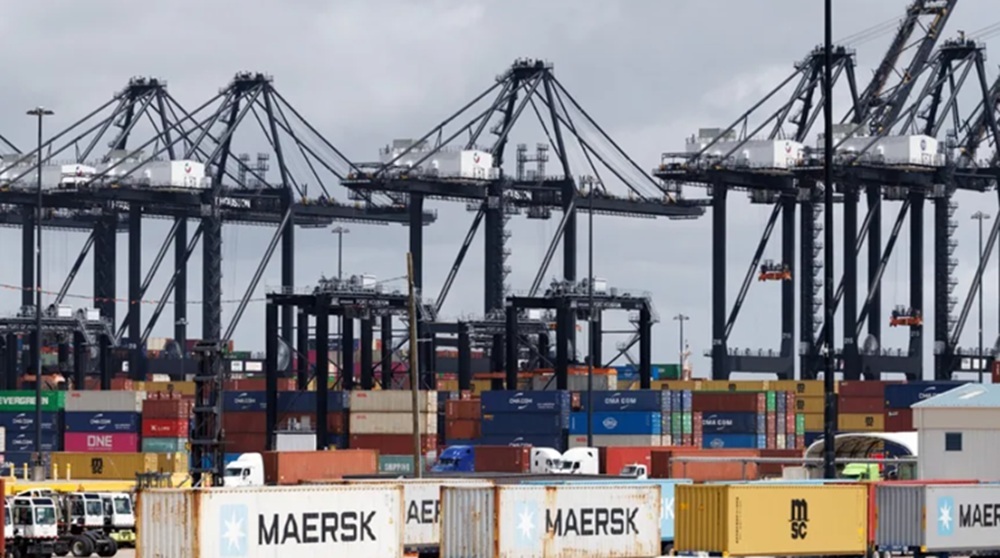
Long regarded as one of the sectors most dependent on fossil fuels, the global ports industry is increasingly embracing clean energy as it accelerates efforts to decarbonize maritime operations. Despite shipping accounting for roughly 3% of global greenhouse gas emissions and remaining one of the world's hardest-to-abate industries alongside aviation, steel, chemicals, and cement, major ports are investing in low-carbon infrastructure and electrification to support a more sustainable future for global trade.
Right now, the prospects of an energy transition here might seem remote. Oceangoing trade is in the midst of its biggest crisis in a generation, with the Strait of Hormuz closed off by the US and Israeli fighting with Iran, and the conflict now spreading to a potential renewed blockade of the Red Sea by Yemen’s Houthi militia.
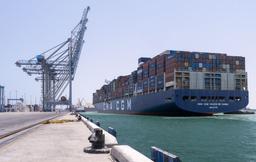
And yet, when the dust settles, it’s remarkable how quickly parts of the sector have been quietly going electric. Almost all large gantry cranes — the vast metal structures that move shipping containers from deck to shore and around the port — are now grid-powered rather than dependent on engines. Smaller, more mobile rubber-tired gantries, which traditionally used diesel and accounted for an outsized share of emissions and particulate pollution from ports, are headed in the same direction: In 2024, about 28% of sales were battery-operated, with a further 17% hybrid. At Konecranes Oyj, one of the biggest suppliers of such equipment, some 62% of sales last year were battery or hybrid.
That means harbors are unusually amenable to the technological switch as battery technology improves. Ports as businesses are also well placed to upgrade their equipment. Unlike road freight and container shipping, the sector tends to be profitable and stable. That means there’s plenty of cashflow to invest in electrification, especially if it will lead to better margins in the long term. Ports are also often quasi-monopolies that operate via concessions from the cities that host them. As a result, they’re keen to reduce the nuisance their pollution causes to residents and voters.
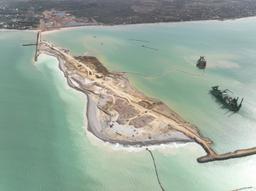
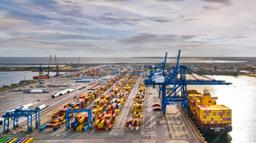
The effects can be seen at multiple locations around the world. At Jawaharlal Nehru Port Authority, which operates India’s second-biggest container terminal near Mumbai, 90% of the truck fleet will have been electrified by the end of this year. A fifth of cargo-handling equipment at the Port of Long Beach, near Los Angeles, is electric. Tuas, the zone under construction in Singapore that’s intended to be the world’s largest container terminal when completed in 2040, is being designed almost entirely around grid and battery power.
Ships are plugging into the grid, too. Vessels once used to consume their own fuel when docked using auxiliary engines, but that practice can be particularly polluting. Nowadays, most Chinese and European container and cruise ports provide shore electricity through immense cables.
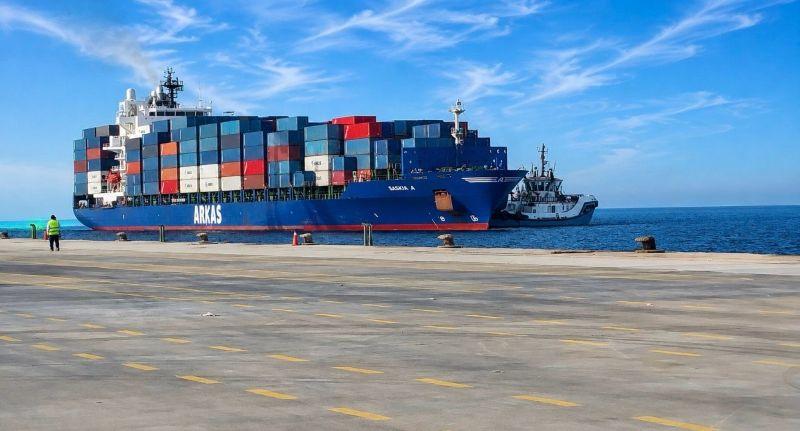
Even water-going craft are starting to switch. Tugboats are unusual among shipping, because their most important attribute isn’t sustained power but the ability to get a larger vessel moving and change its direction — what engineers call torque. High and instant torque is the reason electric cars can accelerate faster than conventional vehicles, and it’s a fundamental advantage of motors over combustion engines. An electric tug that’s been operating in Auckland since 2022 costs only half as much ..to operate as a diesel version. Singapore started using its first models earlier this year.
Getting fossil fuels out of ships’ engines will be the hardest part, although even there small battery-powered container ships are entering service. Electrifying shore-based operations, though, is low-hanging fruit. Just 25 harbors handle about half of all container trade, and in total there are only 1,000 such ports on the planet.
The strides they’re making are providing a testbed for how battery-powered machinery could transform the global trucking and logistics industry that accounts for around 8% of the world’s emissions. Under our noses, a worldwide industrial ecosystem is rapidly switching to clean power.
Source: Bloomberg
Robban Assafina is now on WhatsApp channel. Click Here