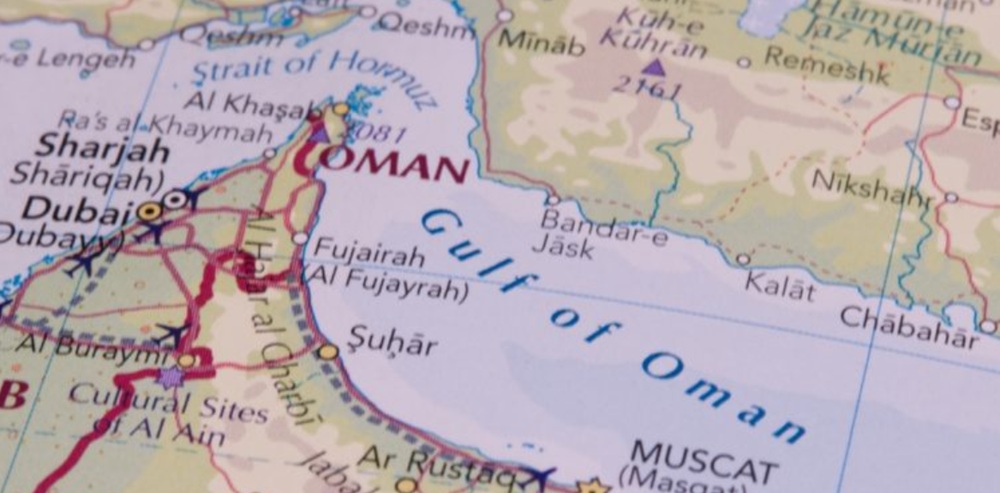
Oman has reiterated a set of operational and maritime security requirements for foreign ships and maritime units operating in its territorial sea, including a requirement to keep Automatic Identification Systems (AIS) continuously switched on.
The requirements form part of a broader regulatory framework introduced earlier this year to govern the entry and operation of foreign-flagged vessels in Omani territorial waters. The requirement comes amid continued reports of AIS anomalies and GNSS interference in and around the Strait of Hormuz.
GPS jamming and spoofing have distorted vessel positions across the Strait and surrounding waters, with ships appearing in artificial clusters, following implausible tracks or even appearing over land. Such interference can degrade the reliability of positional data and contribute to AIS anomalies, false tracks and intermittent signal loss, complicating vessel monitoring and maritime situational awareness in the region.
The regulations apply to foreign ships and maritime units entering Oman’s territorial sea to conduct licensed activities. Military vessels, foreign vessels calling at Omani ports solely for loading or unloading, and vessels entering the territorial sea in emergency situations are excluded under specified conditions.
Foreign ships and maritime units must operate only within the activity and location specified in their navigation licence and comply with applicable Omani laws and regulations. They must leave the territorial sea within 24 hours after the licence expires or is cancelled and may not stop in Omani territorial waters before completing arrival procedures at the nearest maritime port.
The requirements also include:
- Maintain continuous operation of AIS while in Omani territorial waters.
- Enter protected or restricted areas only after obtaining approval from the competent authority.
- Declare any weapons and ammunition carried before or while navigating in Omani territorial waters and obtain the required licences.
- Refrain from photographing public and private property.
- Leave Omani territorial waters only after obtaining a departure certificate.
The framework also gives the maritime authority enforcement powers in cases of non-compliance. Depending on the seriousness of the violation, penalties can include administrative fines, suspension of a vessel’s navigation licence or cancellation of the licence.
The Maritime Security Centre’s latest reminder therefore highlights requirements that form part of a wider licensing and oversight regime for foreign vessels operating within Oman’s territorial sea, rather than introducing a standalone AIS requirement.
Robban Assafina is now on WhatsApp channel. Click Here