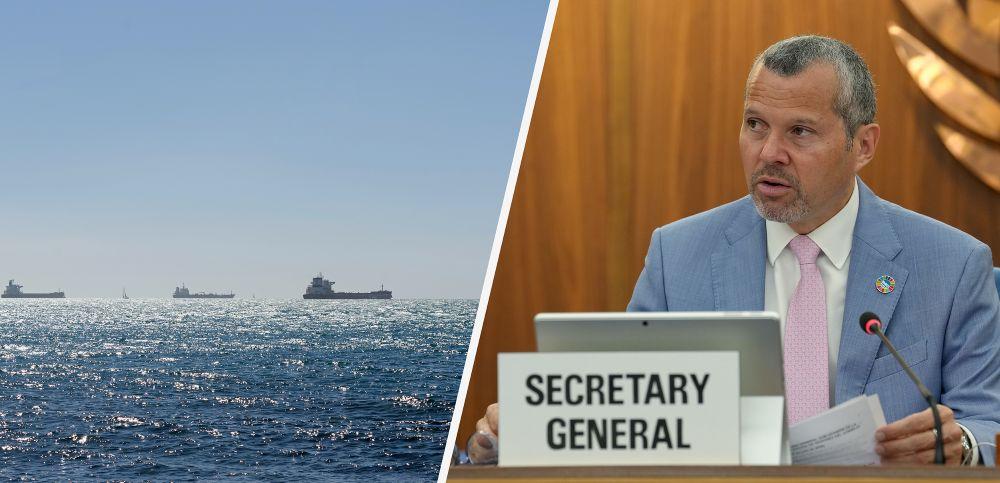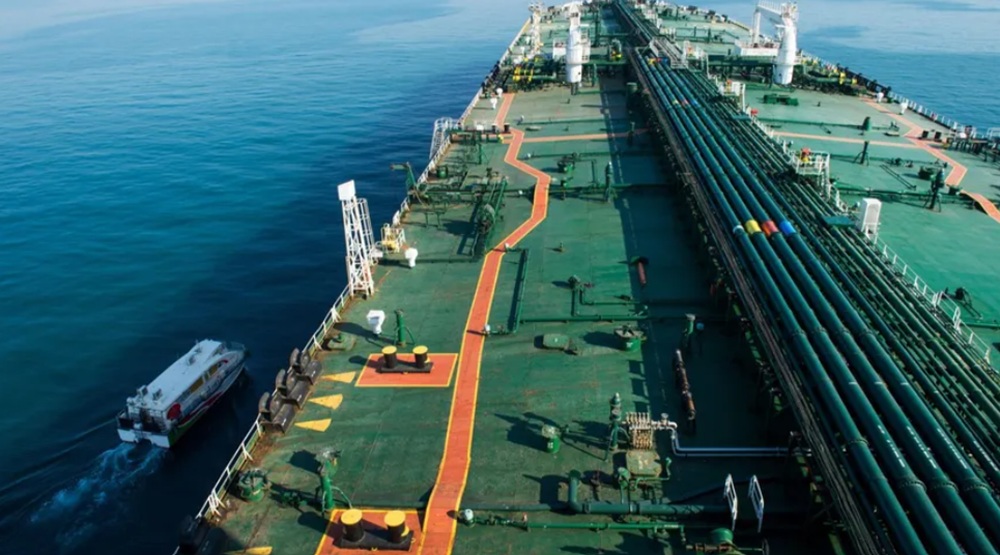
Daily earnings for vessels operating on the world’s benchmark oil tanker route have surged to nearly $650,000, as the war involving Iran and a high-stakes bet by a South Korean tycoon continue to reshape global oil transportation and shipping patterns.
Ships hauling cargoes from Saudi Arabia to China were pulling in a record $647,000 a day on Thursday, more than ten times the rate a year earlier, according to Baltic Exchange data. There are signs that export volumes within the Arab Gulf are rising, adding to the clamor for ships to pick up oil inside the Strait of Hormuz.
Few shipowners are willing to risk that hazardous journey, which means owners are demanding huge premiums.
The rate began to climb late last week when Sinokor Group, the world's largest supertanker player, told market participants that it hired out ships at elevated rates, according to people involved in the market. Earlier this year the company, led by Ga-Hyun Chung, embarked on the biggest oil tanker bet ever, buying dozens of ships before the Iran war began and hiring them out at heightened rates.
The Iran war has roiled the world's main oil tanker benchmark as the number of ships entering and exiting the Persian Gulf has become increasingly opaque. Before the conflict, shipowners and commodity traders relied on it as a proxy for global supertanker earnings, with substantial sums of derivatives also tied to the marker.
Moving barrels through Hormuz effectively comes with two shipping costs. There is a lump sum to get a ship through the waterway and then, once the cargo is switched onto a different tanker outside Hormuz, a lower rate based on a journey from Oman to China becomes effective.
The cost of hiring a ship to sail from Oman to China is currently about $220,000 a day, compared with $131,000 a month ago.
TotalEnergies SE Chief Executive Officer Patrick Pouyanne said earlier this week that it costs about $20 million to move barrels through Hormuz. Two tanker market participants said that amount had risen further throughout the week.
In addition to higher volumes of oil moving out of the Persian Gulf, other shipping disruptions are also boosting earnings. Attacks on Saudi tankers by Yemen's Houthi rebels have seen the kingdom redirect some exports north, through the Mediterranean, and thousands of miles around Africa. That generally adds about 30 days to a journey to Asia.
At the same time, vessels transiting out of Hormuz are often switching their cargoes onto different ships once they leave the waterway. That process can also take time and eats up vessel supply.
Robban Assafina is now on WhatsApp channel. Click Here