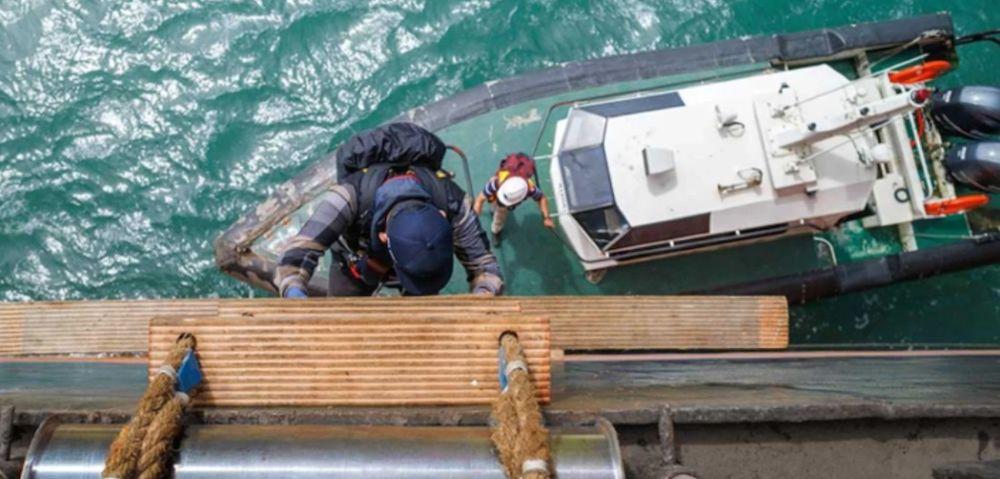
DNV’s July 2026 Technical and Regulatory News outlined the significant changes to pilot transfer arrangements introduced under the revised SOLAS Regulation V/23 and the new mandatory performance standards. Following strong customer interest and numerous inquiries, DNV has issued a follow-up update to complement its July publication and provide further guidance on the new requirements.
NEED TO KNOW
- New requirements take effect from 1 January 2028 and impact existing vessels as well as new installations.
- Existing arrangements will be subject to retroactive verification. Compliance must be verified at the first survey on or after 1 January 2029 for SOLAS vessels and 1 January 2030 for non-SOLAS vessels.
- Shipowners should assess their fleets now.
Timeline
The timeline for the new requirements:
- 1 Jan. 2028: New pilot transfer arrangements installed from this date must comply with the new performance standards. All arrangements, regardless of installation date, must comply with the new requirements for operation, inspection, stowage, maintenance and familiarization.
- First survey on or after 1 Jan. 2029: Existing arrangements on SOLAS ships must be verified for compliance with the new design, construction, securing and installation requirements.
- First survey on or after 1 Jan. 2030: Corresponding verification is required for non-SOLAS ships.
What does this mean for your fleet?
Existing pilot transfer arrangements should be assessed well in advance of the applicable survey. Depending on the arrangements’ design, condition and level of compliance with the revised requirements, physical modifications may be necessary.
Such modifications may include securing points, winch reels, stanchions, handholds and other parts of the pilot transfer arrangement. In some cases, compliance may require hot work or more extensive alterations, making early planning essential. Shipowners should therefore identify any necessary modifications in good time to incorporate them into the vessel’s next scheduled maintenance period or yard stay.
For DNV-classed vessels, compliance with the retroactive requirements (RR) will be followed up through RR ref. 1088 for SOLAS vessels or RR ref. 1089 for non-SOLAS vessels.
Why act now?
Given the regulatory timeline and potential scope for physical modifications, DNV encourages shipowners and fleet managers to begin assessing their fleets now rather than waiting until the first survey. A timely fleet-wide assessment will identify compliance gaps, enable preparation of the necessary documentation, and integrate required modifications into planned maintenance and yard visits, reducing the risk of delays, unplanned costs or non-compliance.
Recommendations
DNV recommends shipowners and fleet managers to:
- Identify affected vessels and arrangements across the fleet.
- Assess existing arrangements against IMO Resolution MSC.576(110), supported by DNV’s Pilot Transfer Arrangement (PTA) Guidance for Managers, PIL 901.
- Identify modifications early on, particularly work requiring structural changes, hot work or load testing.
- Consider plan approval for complex or substantial modifications or where compliance is uncertain.
- Coordinate modifications with planned yard stays where practicable.
- Be prepared for the first applicable survey from 2029 onwards and ensure the vessel is ready for verification.
Robban Assafina is now on WhatsApp channel. Click Here