“We were looking at this market for a long time but could not, of course, proceed with any negotiations until the US decided to try and find a solution to what seemed to be a very difficult task before us,” Best Oasis president for Greece Yiannis Kourkoulis told Riviera.
At this stage, he said, it was too early to disclose many details about the process, but confirmed that Best Oasis was evaluating a number of potential vessel candidates.
Riviera understands that the licence granted by OFAC allows the company to negotiate and enter into conditional agreements for up to eight vessels until April 2027. However, the actual completion of any acquisition remains subject to separate OFAC authorisation.
While the licence does not expressly restrict acquisitions to recycling, any potential further trading of the respective vessel would remain subject to the necessary regulatory approvals.
In essence, OFAC has authorised Best Oasis to initiate negotiations with owners of sanctioned vessels, with each transaction remaining subject to the agency’s regulatory requirements and individual approval.
Vessel inspections and due diligence will also have to be completed before any purchase can proceed.
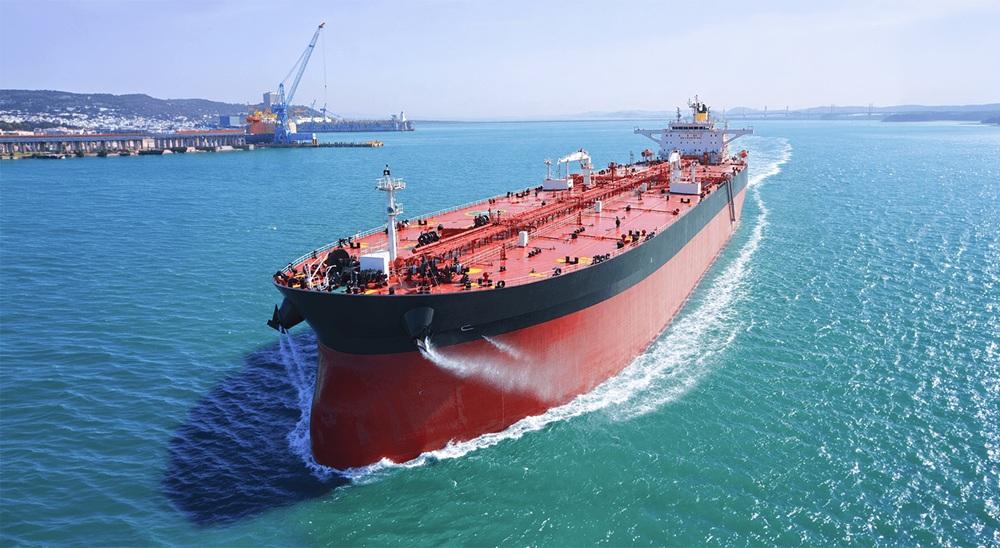
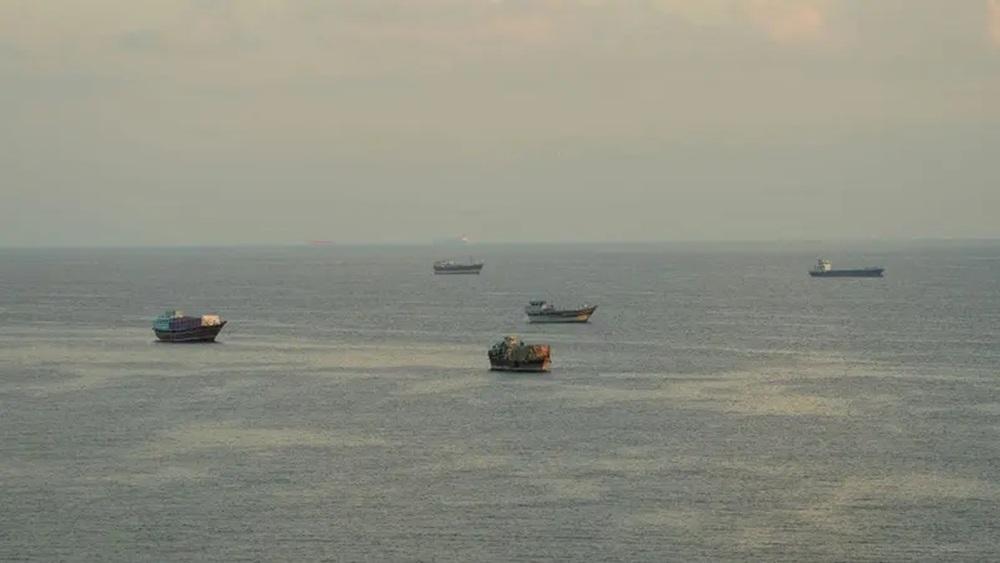
Kpler’s sanctions dataset includes almost 2,000 vessels and 844 companies, while market sources indicate that around 1,500 ships have been designated by OFAC.
This sizeable pool of vessels offers cash buyers such as Best Oasis and GMS, which has also received authorisation to pursue deals, a broad range of potential acquisition candidates.
US Secretary of Energy Chris Wright said last month that Washington was planning to establish a process for approving the sale of some of these tankers, potentially allowing them to return to legitimate trading.
Oil traders have reportedly been seeking approval from the US government to use sanctioned tankers to address a shortage of vessels and ease freight rates.
However, shipowners remain sceptical about the prospects of these vessels returning to mainstream trade.
“It is hard to think of a reasonable way where they can come back,” Okeanis Eco Tankers (OET) chief executive Aristidis Alafouzos said during the company’s Q3 earnings call.
In any case, allowing cash buyers to negotiate such transactions could provide some much-needed business for ship recycling yards, which are struggling to secure vessels. Strong charter markets across almost all shipping segments are discouraging owners from disposing of their assets.
“I was expecting the previous quarters the market to recover, but black swans and other unpredictable geopolitical developments made it impossible,” Mr Kourkoulis said.
He expects the shipping cycle to enter a potential correction in the second half of 2027, which could lead to an increased flow of vessels to recycling yards. However, acknowledging how difficult it is to predict shipping market movements, as previous years have demonstrated, he remains cautious about the outlook.
When the market eventually turns, however, the impact could be significant. The global fleet now includes numerous ageing vessels that may struggle to compete with younger tonnage once market conditions deteriorate, Mr Kourkoulis concluded.
Robban Assafina is now on WhatsApp channel. Click Here