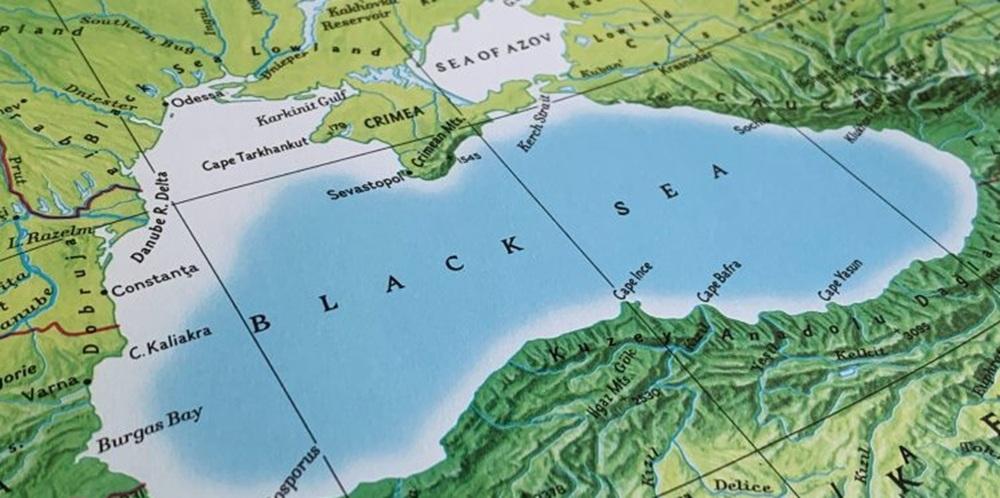
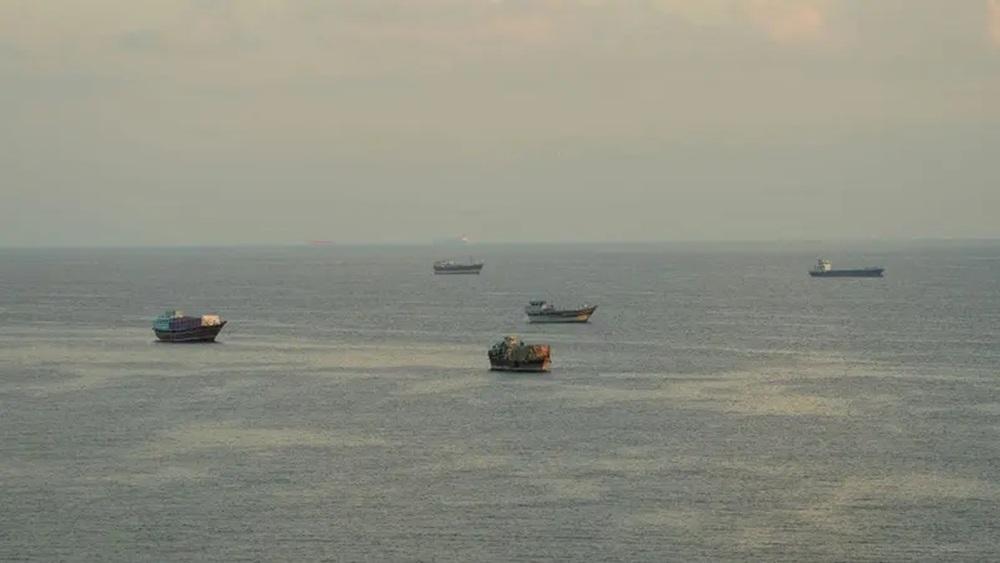
The alleged abandoned Ali Bey’s Syrian crew have been aboard the detained vessel at the port of Constanta, Romania since last November, and they are still waiting for a claimed $186,000 in allegedly unpaid back pay.
The Ali Bey’s ship manager is just one of the scores of companies alleged to have abandoned vessels at the pier since the start of the pandemic. According to the International Transport Workers Federation (ITF), a record 85 cases of vessel abandonment were reported in 2020.
- Dubai Maritime City Authority chief Amer Ali leads inauguration of Seatrade Offshore Marine & Workboats 2019
- Med Marine delivers Super Ice Class III tugboat, Sulina 2 to AFDJ
- Maritime Sector Strategy enhancing internal services and leisure activities in line with highest international standards
- Bulk Carrier Crew Charged with Attempted Murder After Allegedly Throwing Stowaways Overboard Off South Africa
- Are bunkers too easy a target when problems alleged onboard vessels?
"We’re still living here in the vessel like a jail . . . we can not go outside, we can not make anything, we live only in the shipping and the berth and now also winter is coming", said Capt. Abdullah Dahha, master of the allegedly abandoned vessel Ali Bey.
According to ITF’s local coordinator, the last four holdouts have received threats from the shipowner’s representatives, including warnings that they could be blacklisted and reported to the authorities for demanding their wages.

In September, Capt. Dahha told the British NGO Human Rights at Sea (HRAS) that he received a strange visit from an unknown man who offered to settle with the four remaining crewmembers for $110,000, which is about 60% of what they are owed.
Capt. Dahha refused the offer, but he said that the crew is concerned about retaliation.
In a recent update, the local ITF coordinator asserted that the shipowner has sued him personally for reporting the abandonment case to the authorities. The crew has engaged its own lawyer, backed by ITF, and is awaiting a legal resolution of their case.
Source: Safety4sea