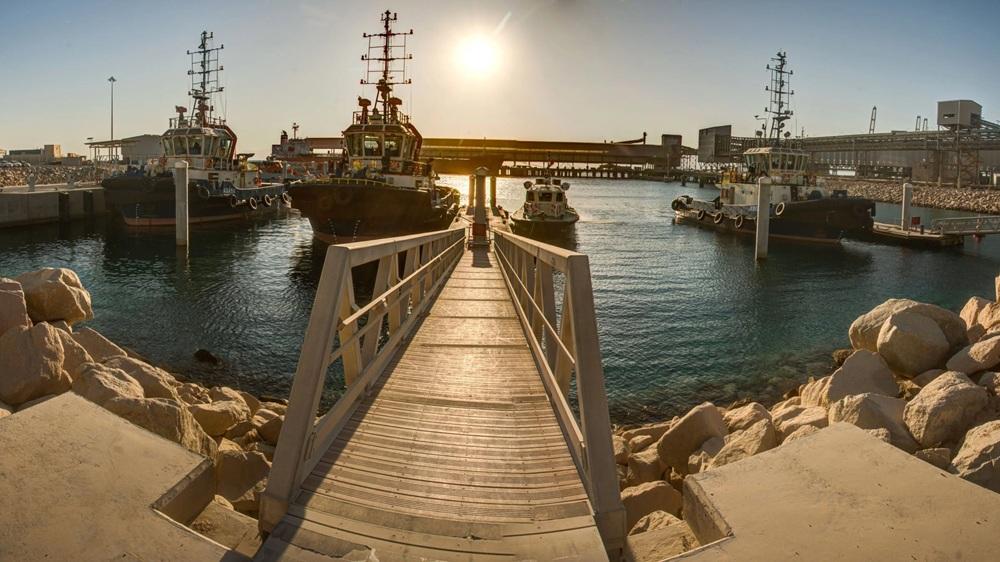
To date, general cargos, barges, tugboats, gas carriers, oil & chemical tankers, pleasure yachts and air cushion passenger ships, 46 vessels from different nationalities are flying the Guinea-Bissau flag. The young but determined “International Ships Registry of Guinea-Bissau” is in fact committed to become, in the near future, one of the most coveted young ship registries, offering fast, reliable and flexible services to all types of ships.
Since its creation in the first quarter of the year 2022, the “International Ships Registry of Guinea-Bissau” has in fact been primarily investing in its workforce and its operators’ network, initiating a skilled and experienced team to render the most efficient, liable and safe routes to all its vessels.
And with a growing network of deputy registrars located in strategic parts of the world – such as Turkey, UAE, the Netherlands, Panama, Cyprus, Egypt, Ivory Coast, China, South Korea and Russia - the “International Ships Registry of Guinea-Bissau” is operated by G-B International Lebanon, a private company with offices in Greece and Lebanon. This strategic emplacement on these two cosmopolite and maritime Mediterranean cities has undeniably played a major role in attracting all sorts of commercial and leisure vessels while providing them with easy ship registration services that abide by international standards of safety, security and environmental protection.
And in its constant effort to fulfill all the needs of shipowners and their seafarers, not forgetting to apply all maritime rules and protocols that regulate this always evolving industry, the “International Ships Registry of Guinea-Bissau” operates as an open flag, implementing no restriction on the nationalities of the shipowners or the manning crew.
In fact, while the industrialized world has increased the importance of shipping, the latter has indeed become the heart of global trade and economy with the livelihoods of many people depending on this industry.
“Nevertheless, this expenditure should not be left unmonitored and unregulated, due to different environmental and humane issues that we all need to take into consideration”, explained M. Richard Medawar, deputy general ships registrar. And to clarify that, he added: “In order to build a more sustainable future for the industry, we must stress on the use of new technologies by applying digitalized services in addition to implementing the best working conditions for all seafarers without forgetting the environment and the shift to decarbonize shipping.” Performance pillars that the young registry is surely committed to fulfill.
Robban Assafina Magazine, Issue 85, May/June 2023, Maritime News - Shipping, pg. 66