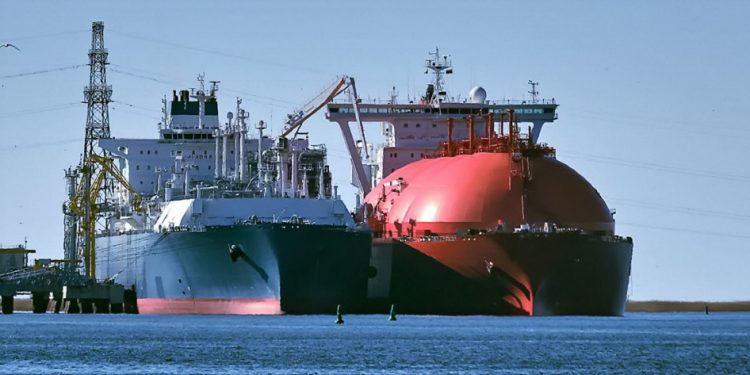
The UK P&I Club has examined the growing diversity of vessels, cargo hazards and risks in the gas carrier sector as global gas trade has evolved from a specialised niche into one of the most strategically important pillars of maritime energy.
As major economies race to secure energy supplies, transition away from coal, stabilise power grids and advance decarbonisation goals, demand for Liquefied Natural Gas (LNG), Liquefied Petroleum Gas (LPG) and an expanding range of new gaseous cargoes has surged. According to the UK Club, what was once a highly specialised field understood by a small group of experts has now become a core component of global energy security.
Today, with new cargo types, evolving vessel designs, dual-fuel propulsion systems and increasingly complex regulatory requirements, there is no longer a single “gas trade.” Instead, it has developed into a broad, interconnected ecosystem that is technologically advanced, highly diverse and deeply embedded in the global energy transition.
Different cargoes bring different hazards:
- LNG at minus 162°C is intensely cryogenic;
- LPG is flammable and heavier than air;
- ethane and ethylene require strict temperature control;
- ammonia is acutely toxic;
- and CO2 can cause instantaneous asphyxiation or create dry-ice blockages due to rapid phase change.
Despite their differences, all these cargoes rely on one shared safety principle: tanks and piping that are kept under positive pressure. This prevents oxygen ingress and eliminates the possibility of forming an explosive atmosphere. This design foundation is a quiet but critical contributor behind the sector’s extraordinary safety record.
New vulnerabilities in a digital era
The rapid digitalisation of the gas sector brings new risks. Cybersecurity is now one of the most significant emerging concerns. Gas carriers rely on interconnected automation, tank monitoring, remote diagnostics and integrated control systems. As these systems link together, the impact of cyber disruption grows more severe.
High-energy cargo combined with high-technology architecture introduces a category of vulnerability that did not exist in earlier generations. The high level of automation on modern gas carriers has become an operational challenge. These ships contain complex webs of software logic and sensor-based controls. A single failed sensor or data-bus interruption can cascade through propulsion, power and cargo systems.
According to UK P&I Club, several incidents have left ships drifting not because machinery failed, but because crews could not diagnose or override automated systems. As equipment becomes more ‘black-box’ in nature, traditional hands-on troubleshooting becomes limited.
This trend reinforces the importance of rigorous training, system familiarisation and continuous competency development to prevent minor faults from escalating into operational standstills.
Cargo chemistry and commercial risk
The diversity of gas cargoes drives a corresponding variety of commercial arrangements. LNG requires insulated atmospheric tanks and constant management of boil-off. LPG can be carried under pressure or refrigeration, or both, creating multiple vessel classes. Ethane’s intermediate temperature led to the rise of Very Large Ethane Carriers (VLECs). Ammonia brings corrosiveness and toxicity, while CO2 requires strict phase-control throughout the voyage.
These technical differences shape charter party forms. Pressurised LPG carriers typically use GASVOY and GASTIME. Ethylene carriers need detailed technical riders. VLECs follow LNG-style contracts such as LNGTIME and ShellLNGTime, with clauses covering boil-off, minimum heel, temperature guarantees and reliquefication performance.
LNG itself is a prime example of physics translating into commercial exposure, with boil-off disputes often requiring detailed analysis of logs, temperatures and operational conditions to determine causation. As cargo types and ship designs diversify, documentation becomes increasingly important.
Accurate logs, tank histories, sequencing checklists and clear terminal communications often determine the outcome of contamination or shortage claims. Careful STS vetting, disciplined use of Letters of Indemnity and selecting charter forms and clauses aligned with vessel capability all help prevent disputes that might otherwise be unavoidable, UK P&I highlighted.
Looking towards 2030 and beyond
The next decade will bring even greater change. LNG will remain central to global energy stability. LPG will continue to drive petrochemical expansion. Ammonia and hydrogen will shape decarbonisation strategies. CO2 shipping will become a critical link in global climate-mitigation infrastructure.
Tomorrow’s gas carrier will be more digital, more fuel-flexible, more energy-efficient and more environmentally accountable. Yet, it will rely on the same foundations that have always defined the industry: rigorous design, disciplined operations, skilled seafarers and a robust safety culture.
"Gas matters more than ever, and its seaborne trade will occupy a central place in global economic and environmental strategy for decades to come. And as we look to 2030 and beyond, our ability to innovate while staying true to industry fundamentals will determine not only the future of gas shipping, but the resilience of the global energy system itself. " UK P&I Club noted.
Source: Safety4sea
Robban Assafina is now on WhatsApp channel. Click Here