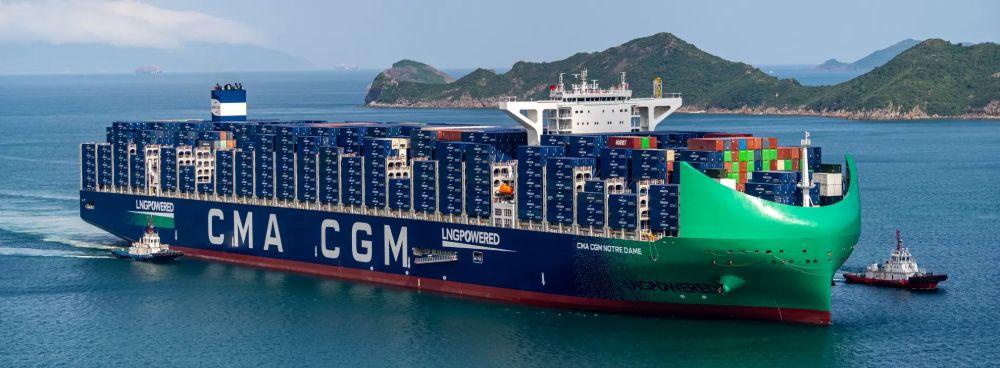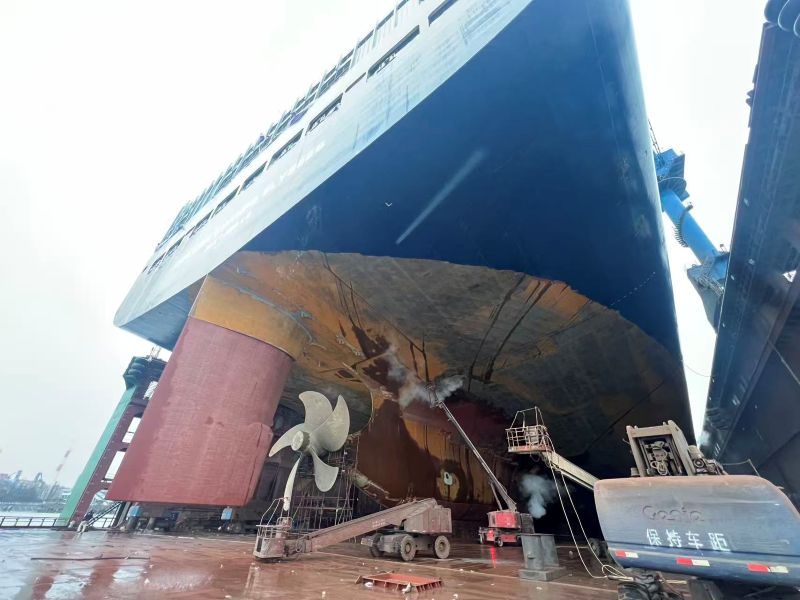
The global shipping industry is facing rising maintenance costs linked to propulsion system components, particularly rudders, where cavitation-induced erosion continues to cause unplanned repairs and operational disruptions.
Cavitation generates high-energy microbubbles that collapse on metal surfaces, gradually eroding steel and initiating corrosion. In many fleets, this damage is only discovered once it has already progressed, typically during drydock inspections. At that stage, shipowners are often required to carry out grinding, welding, and full recoating, resulting in high costs and extended downtime.
Shift to Prevention
This reactive approach creates a continuous burden, with each drydock cycle introducing new repair requirements and increasing maintenance expenditure, while the root cause remains unresolved. Over time, this affects fleet availability, efficiency, and long-term asset performance.
As a result, shipowners are increasingly turning to preventive strategies at the newbuild stage, aiming to eliminate cavitation damage before it begins.
One solution gaining adoption is Ecoshield, a glassflake-reinforced coating designed to protect rudders and other propulsion components from cavitation erosion and corrosion from the outset. Applied during construction, it forms a durable barrier that prevents steel exposure and damage initiation.
Recent inspections of vessels delivered in 2019, where Ecoshield was applied at newbuild, have shown rudders remaining intact after years of service, with no cavitation damage or corrosion and no need for steel repairs or recoating.
Beyond rudders, similar protective performance has been observed on stern thrusters, nozzles, and other high-exposure components, reducing broader maintenance needs across the propulsion system.
Operationally, preventing cavitation damage reduces drydock workload, shortens repair time, and minimizes off-hire periods, delivering long term cost savings and improved vessel availability.
Ecoshield is positioned as a long-term protective solution rather than a consumable coating, supported by warranty coverage and proven in service performance, and is easily integrated during the newbuild phase without impacting shipyard schedules.
As maintenance pressures continue to rise, the industry is shifting toward durability-focused solutions, moving from reactive repair cycles to preventive asset protection at the source.
Robban Assafina is now on WhatsApp channel. Click Here