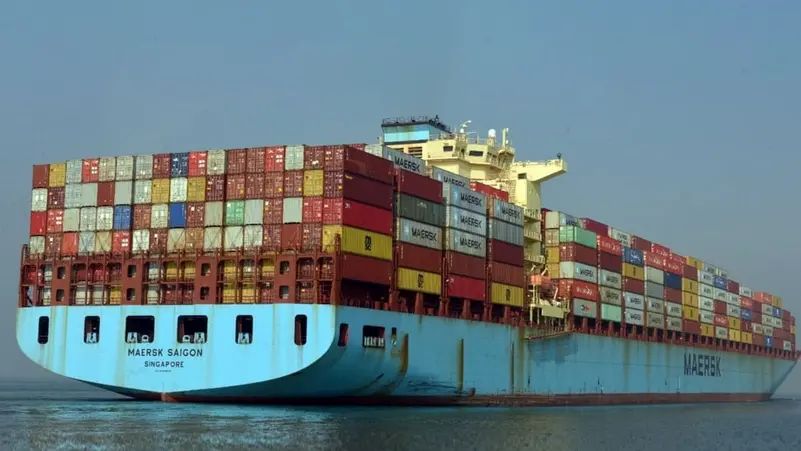
Danish shipping group Maersk announced on Thursday that it is resuming its shipping service between the Middle East and the US East Coast via the Suez Canal, a move expected to reduce transit times and improve the efficiency of logistics operations.
The company said transit times for westbound flights will improve by about 7 days, while eastbound flights will be shortened by about 14 days.
Maersk confirmed that it continues to closely monitor the security situation in the Middle East, noting that it will continue to assess developments to ensure the safety of its operations, employees and customers.
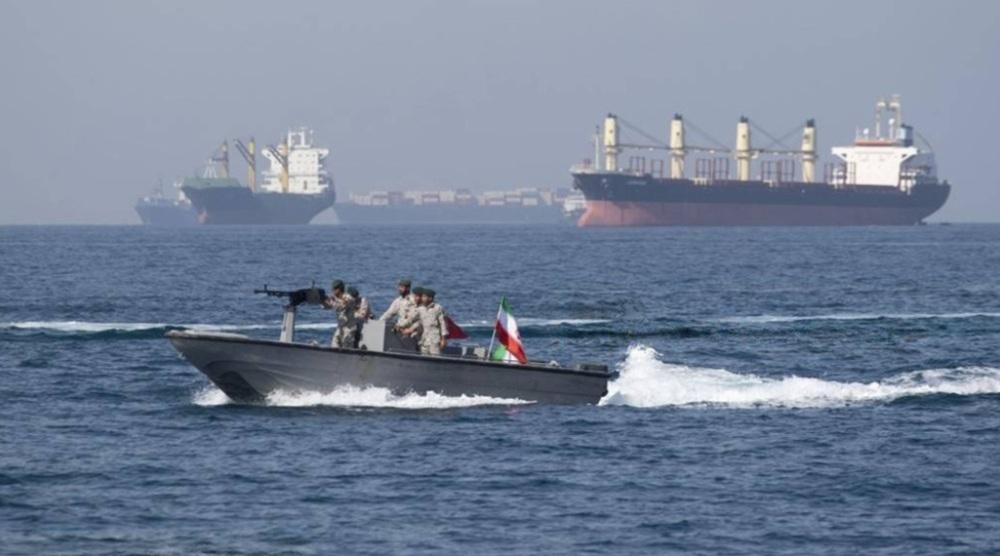
Most shipping companies abandoned the trade route between Asia and Europe via the Suez Canal after attacks by Yemen's Houthi group in the Red Sea. This forced them to take a much longer route around the Cape of Good Hope in Africa, but they are now considering returning to the Red Sea route.
Earlier on Monday, Maersk said that one of the services within the Gemini network, which it operates jointly with Germany's Hapag-Lloyd, would resume sailing through the Suez Canal, causing shares of both companies to fall due to the potential impact on shipping rates.
Maersk said in a statement, "This joint decision with Hapag-Lloyd follows comprehensive assessments of the security situation in the Red Sea region and represents a step towards a gradual return to the Suez Canal corridor."
Last February, the two companies began rerouting their ships to sail around South Africa to avoid the risks of navigating the Red Sea, according to Bloomberg News.
The resumption of services via the Red Sea and the Suez Canal is likely to put downward pressure on container shipping rates, which could negatively affect the profits of shipping companies.
The fastest route between Europe and Asia
The route through the Suez Canal and the Red Sea is the fastest route connecting Europe to Asia, and data from Clarksons Research indicates that 10% of global maritime trade passed through it until the attacks began.
Longer journeys around Africa have led to higher shipping rates, increasing the cost of transporting goods.
“We see this as the first step that will pave the way for a full return to the Red Sea by the end of this year,” said Haider Anjum, an analyst at J-Sky Bank, in a note to clients.
He added, "A full return, and the resulting more efficient management of capacity, along with the potential delivery of new ships in 2027 and 2028, would put pressure on shipping rates, and therefore on the profits of his companies."
Robban Assafina is now on WhatsApp channel. Click Here