Jotaro Tamura, Headquarters: Minato-ku, Tokyo) today announced that the company has signed a lease agreement for four berths at the recently expanded and improved South Pier (Note 1) in the Port Island (Phase 2) area (Note 2) of the Port of Kobe. The expansion work was implemented by Kobe-Osaka International Port Corporation (HPC; President: Takafumi Kido; Headquarters: Chuo‑ku, Kobe). MOL's new lease agreement with HPC covers Berths PC14-17 (Note 3).
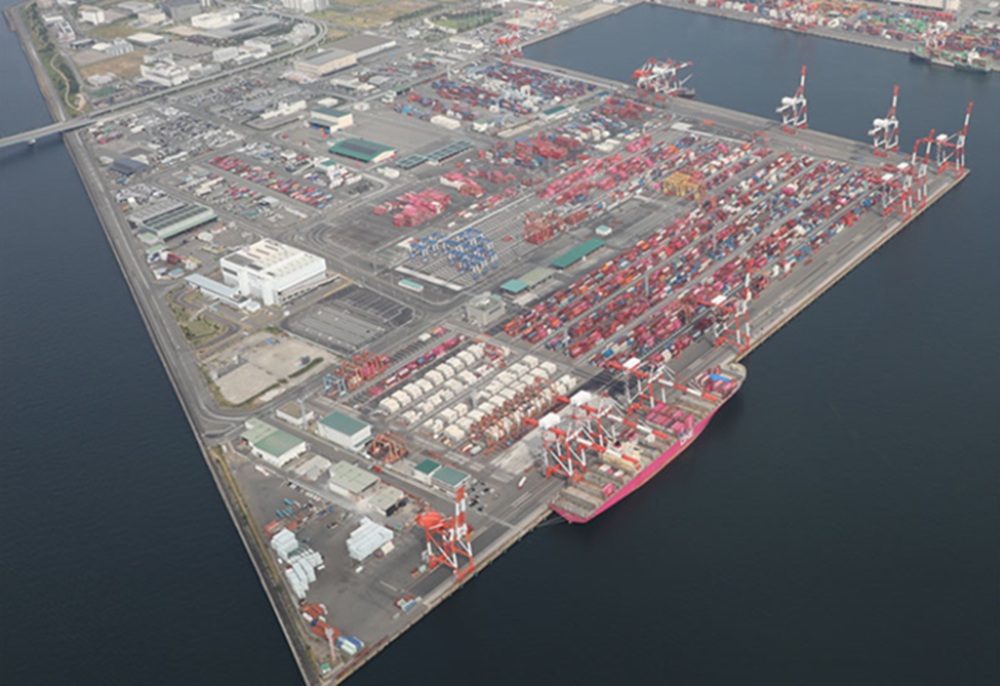
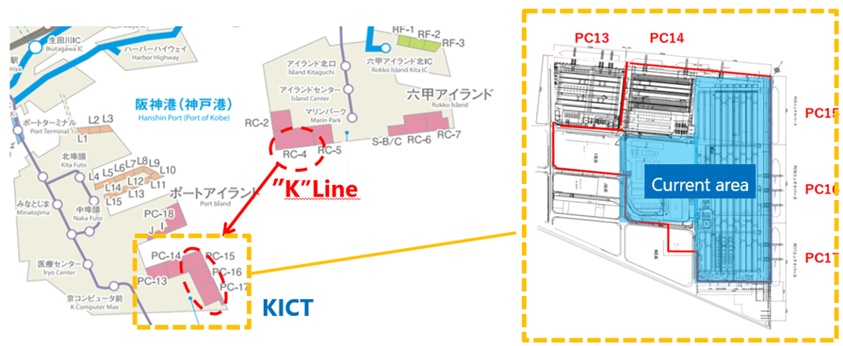
With the new lease agreement, Kobe International Container Terminal (KICT), which MOL jointly operates with Sankyu Inc., The Sumitomo Warehouse Co., Ltd., and Nickel & Lyons Ltd., will expand from its current three berth configuration to a four berth configuration. With the addition of Kawasaki Kisen Kaisha, Ltd. ("K" Line) as a new participant, KICT will become one of Japan's largest container terminals, handling approximately 40% of containerized international cargo at the Port of Kobe.
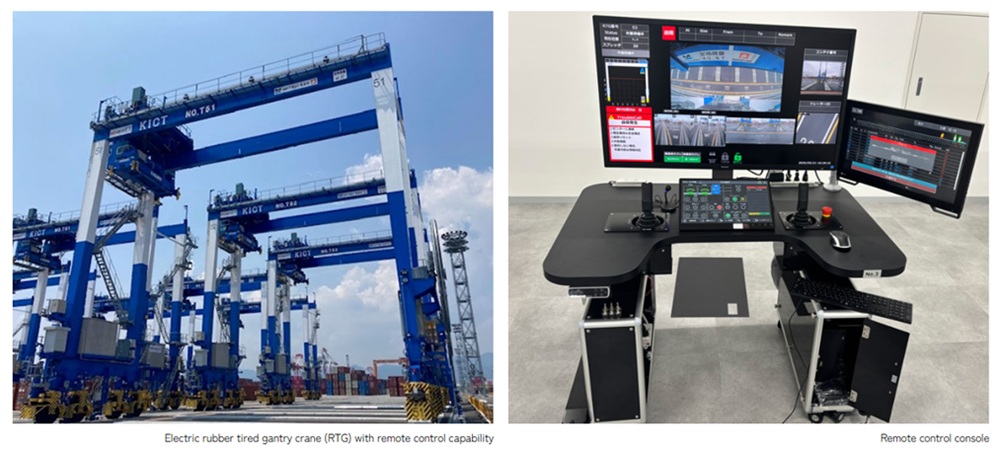
Following the expansion, KICT's total quay length will increase from 1,050 meters to 1,750 meters, enabling more flexible vessel berthing windows and enhancing transshipment connectivity to other routes. The expanded area features a total of 12 new electric rubber tired gantry cranes (RTGs) (Note 4) equipped with remote control capabilities, proactively driving the terminal's digital transformation (DX).
In conventional operations, crane operators must board the cargo handling equipment directly; however, the introduction of the advanced RTGs allows remote operation from a dedicated operations building within the terminal. This gives operators a more comfortable indoor working environment that is not affected by inclement weather. At the same time, it will reduce physical strain on operators while further enhancing operational productivity and safety. At the end of March, MOL launched full scale, around the clock operation of CONPAS (Note 5), its new port information system. Due to congestion around container terminal gates have been increasing trailer waiting times and presenting a serious obstacle to smooth domestic logistics, MOL will keep working to improve the efficiency and productivity of container logistics through terminal operations that leverage the latest DX technologies. The company is also striving to reduce greenhouse gas (GHG) emissions at its terminals by installing solar panels at container gates and on the rooftops of logistics facilities.
Three Companies to Expand Container Terminal in Kobe - Signs MoU with Kobe-Osaka International Port and 'K' Line -
(Note 2) Port Island (Phase 2) is an artificial island with a total area of 390 hectares, located south of Port Island, where land reclamation was completed in 2010. The area is being developed with port and urban facilities designed to meet the needs of a new era, including globalization and digitalization, with the aim of creating an integrated urban space that connects with Port Island and Kobe Airport. In particular, development is progressing to establish the island as a state of the art comprehensive logistics hub. It features extensive wharf land and port logistics facilities spanning 208 hectares, including an advanced deep water container terminal (six berths) with a water depth of 15 to 16 meters—a key facility within Japan's international strategic container port program.
(Note 3) Map of KICT's location in the Port of Kobe
(Note 4) A large rubber tired gantry crane (RTG) used to transport containers within the terminal.
(Note 5) Abbreviation for Container Fast Pass. This real time information sharing system enables port stakeholders to share container gate in and gate out data, helping reduce truck wait times and gate congestion. By utilizing IC equipped ID cards (PS cards) carried by container trailer drivers, the system shortens gate processing times at container terminals and helps smooth trailer arrival patterns through gate in and gate out reservations.
Robban Assafina is now on WhatsApp channel. Click Here