India has launched a new Seafarer Tracking Module to monitor Indian seafarers working aboard merchant vessels operating in some of the world’s most high-risk maritime regions, as geopolitical tensions and security threats continue to escalate.
The Directorate General of Shipping (DGMA) has launched the Seafarer Tracking Module on the e-NAVIK platform aimed at strengthening the authorities’ ability to provide timely information, coordinate assistance and mount a rapid response in the event of an incident involving Indian seafarers.The move comes as merchant shipping faces heightened security risks across several strategic waterways, including the Strait of Hormuz, Persian Gulf, Gulf of Oman, Red Sea, Gulf of Aden, Bab el-Mandeb, Black Sea and waters off Somalia.
Thousands of Indian seafarers serve aboard both Indian- and foreign-flagged vessels operating in or transiting these areas, exposing crews to risks ranging from attacks and armed conflict to vessel detentions and other security incidents.
Centralised monitoring of Indian seafarers
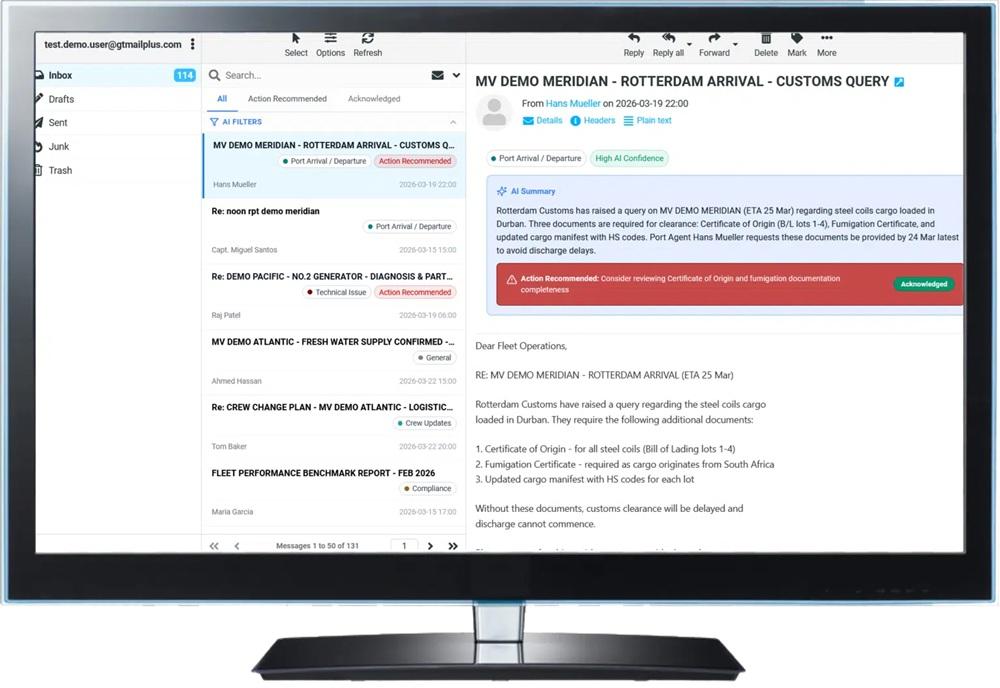
The new tracking system has been launched on the eNAVIK portal and is currently operating in beta. Once vessel and crew information is uploaded by registered shipowners, operators and manning agencies, the system provides a centralised overview of Indian seafarers serving aboard vessels in high-risk regions.
The module allows authorities to monitor vessel and crew data by geographical region, providing what the DGMA described as an enhanced operational picture to support maritime safety, seafarer welfare and coordinated emergency response.
Shipowners, ship managers, ship operators and registered manning agencies have been instructed to update the system with key information, including:
- Vessel identification and voyage details
- Details of Indian seafarers on board
- Registered Principal Employer (RPSL) information, where applicable
Where a vessel’s precise position is unavailable, operators can initially identify the relevant geographical region through the system and update the vessel’s position once the information becomes available.
Immediate reporting requirement
The authorities have instructed all relevant stakeholders to immediately update the module with details of vessels carrying Indian seafarers operating in designated high-risk areas.
Once the initial information has been submitted, operators will be required to update the vessel’s position on a daily basis, along with crew sign-on and sign-off information at regular intervals.
The initial focus will be on five key high-risk regions:
- Arabian Gulf, west of the Strait of Hormuz
- Gulf of Oman, east of the Strait of Hormuz
- Red Sea
- Gulf of Aden
- Black Sea
The DGMA said the longer-term objective is to expand monitoring to Indian seafarers serving aboard vessels worldwide.
Move towards automated monitoring
Authorities are also exploring ways to automate the system and reduce the amount of manual data entry required from shipping companies and manning agencies.
Until such systems are introduced, stakeholders have been instructed to continue updating vessel and crew information through the existing module.
The DGMA has also stressed that information submitted through the platform — particularly vessel-position data — will be treated as confidential and subject to access controls. The information will be available only to authorised personnel through designated login credentials and in accordance with their respective permissions.
Robban Assafina is now on WhatsApp channel. Click Here