European governments have yet to provide additional naval support for Operation Aspides despite growing security threats to commercial shipping in the Red Sea.
On November 10, Italian Defense Minister Guido Crosetto said European Union member states had failed to take concrete steps to strengthen the bloc’s naval mission, despite repeated calls for additional warships to protect commercial vessels from Houthi attacks.
The remarks follow Crosetto’s appeal in September for greater European involvement in Operation Aspides, which was launched in February 2024 to safeguard freedom of navigation and protect merchant shipping in the Red Sea and surrounding waters.
Speaking to Reuters following an event in Rome, Crosetto acknowledged that EU foreign policy chief Kaja Kallas had supported Italy’s request but said the discussions had not produced tangible results.
Following Italy’s earlier appeal, Kallas wrote to the EU’s 27 member states urging them to increase their contributions to Operation Aspides. She emphasized that the mission would require more than 10 warships to operate effectively amid worsening security conditions.
However, discussions among EU governments have yet to translate into sufficient additional deployments, with some countries reportedly reluctant to commit naval assets because of limited resources and other operational priorities.
Naval resources remain below operational requirements
The shortage of available warships has raised concerns about the EU’s ability to provide adequate protection to merchant vessels operating in the region.
During a press conference on October, Kallas acknowledged that Operation Aspides remained below its required naval capacity, despite indications that some member states were considering additional contributions.
As Kallas explained: “First on ASPIDES, we need at least 10 ships, and we are not there.”
She also emphasized that further naval contributions were necessary for the EU to maintain a credible maritime security presence in the region.
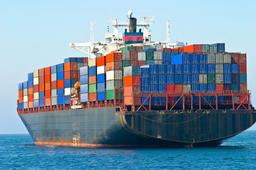
The shortage has already affected commercial shipping operations, with vessels reportedly waiting for naval escorts because of insufficient available frigates. The situation was previously highlighted in EU seeks more warships as Houthi threats disrupt Red Sea shipping.
According to media reports, Operation Aspides has reiterated that responsibility for providing additional military assets rests with individual EU member states, leaving the mission dependent on national decisions over naval deployments.
Italy calls for greater burden-sharing
Crosetto also raised concerns about the distribution of responsibilities among European countries, arguing that Italy is carrying a disproportionate share of the bloc’s military commitments. According to the Italian defense minister, approximately one-third of European military operations depend on Italy’s contribution, while some larger EU countries provide substantially fewer resources.
He stressed that strengthening European defense capabilities requires member states to translate political commitments into actual operational support.
The concerns come as the EU faces growing demands to maintain a naval presence across several strategically important regions, including the Red Sea, the Middle East Gulf and other areas affected by conflict and instability.
Continued challenges for commercial shipping
Operation Aspides operates under a defensive mandate that includes accompanying merchant vessels, maintaining maritime situational awareness and protecting ships against attacks at sea.
The mission was established in response to Houthi attacks on commercial shipping that have disrupted vessel movements through the Red Sea and the Bab el-Mandeb Strait. According to the European External Action Service, by August 2026 the mission had supported the transit of more than 2,390 merchant vessels and provided close protection to more than 720 ships.
However, the continuing security threats and limited availability of naval assets underline the challenges of meeting demand for protective escorts across an extensive area of operations.
The uncertainty surrounding naval reinforcements also comes as shipping companies reassess their exposure to regional security risks and the operational implications of transiting the Red Sea.
Robban Assafina is now on WhatsApp channel. Click Here