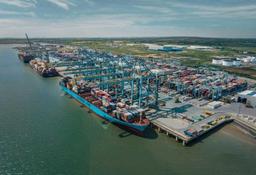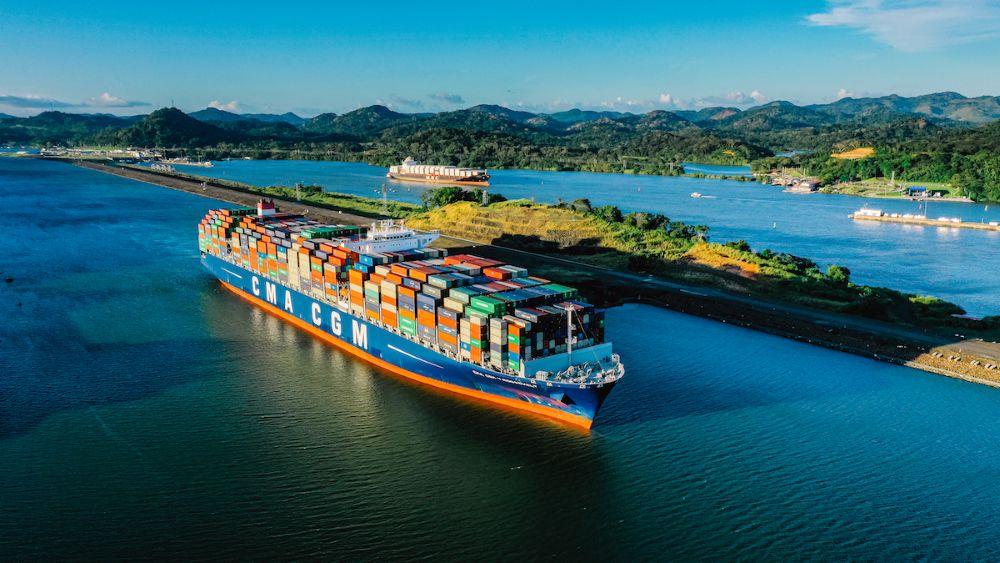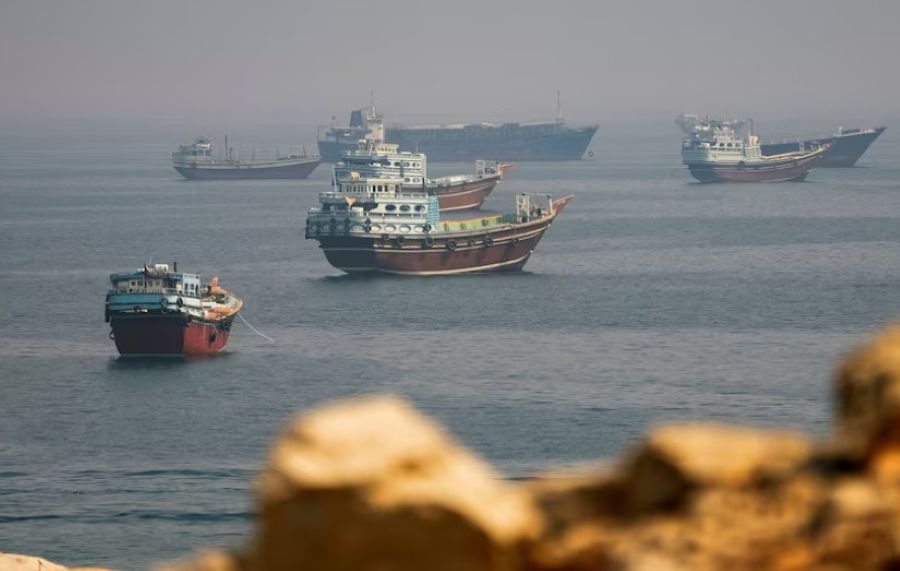
Jordan's Aqaba port has seen a surge in transit cargo as the U.S.-Iran conflict has largely shut down commercial traffic through the Strait of Hormuz, according to officials at the port and terminal data.
Before U.S. and Israeli strikes on Iran triggered a regional war in late February, the Strait of Hormuz was a critical route for global oil shipments and other trade. Since then, security risks have sharply reduced traffic through the waterway. Traders have sought alternative routes, including via Syria, while Aqaba has also seen a boost.
"If we talk about container trade, we have grown easily by 5%, and the growth is driven by the volumes, increased volumes to greater Levant and Iraq in particular," said Angshuman Mustafi, chief commercial officer at the Aqaba Container Terminal (ACT).
TRUCKING GOODS TO IRAQ
In a statement published in July, the ACT said transit volumes jumped 155.1% in the first half of 2026 from the same period last year.
Port officials told Reuters that increased trucking to Iraq has been the main driver of the growth.
Iraq previously imported consumer goods through its southern Gulf port at Basra, but commercial traffic there has fallen sharply because of disruptions to shipping through Hormuz.Containers are now unloaded at Aqaba and transported by truck to Iraq, around 760 km (470 miles) to the east, port officials said.
Iran has repeatedly struck military sites in Jordan, a close ally of Washington, in response to U.S. attacks.
Source: Reuters
Robban Assafina is now on WhatsApp channel. Click Here