Plastic litter has devastating effects on our oceans, marine life and human health. It also has measurable impacts on the fishing and shipping industries.
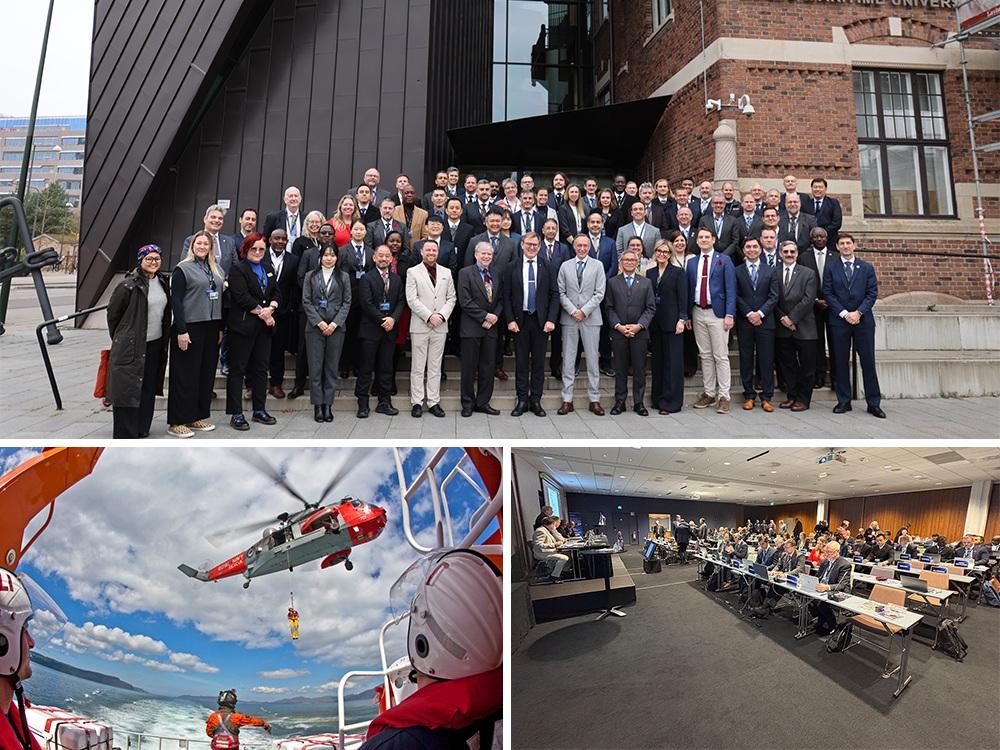
A major international project that will help reduce marine plastic litter from maritime transport and fishing sectors is up for a successful start, after getting 30 countries on board. Five regions will be represented in this global effort: Asia, Africa, the Caribbean, Latin America and the Pacific.
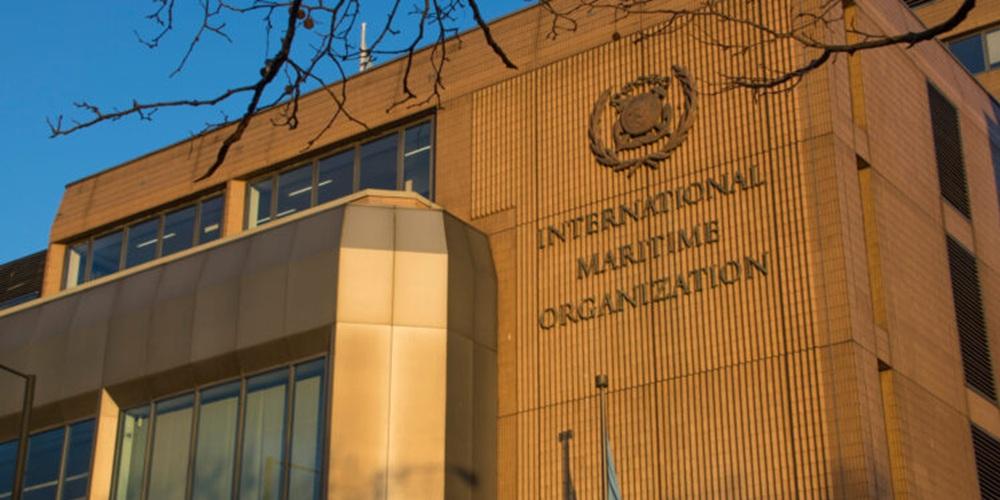
The GloLitter Partnerships Project is implemented by the International Maritime Organization (IMO) and the Food and Agriculture Organization of the United Nations (FAO), with initial funding from the Government of Norway via the Norwegian Agency for Development Cooperation (Norad).
Read More: Shipping Industry Commits to Eliminating Single-Use Plastics in 2021
The project aims to help the maritime transport and fishing sectors move towards a low-plastics future. To achieve this goal, this initiative will assist developing countries to apply best practices for prevention, reduction and control of marine plastic litter from those sectors.
Plastic litter has devastating effects on our oceans, marine life and human health. It also has measurable impacts on the fishing and shipping industries.

Discarded fishing gear can pose a serious risk to fishers as the nets or lines can become entangled in boat propellers or cause engine damage. There is also an economic impact when fishers or fisheries lose their gear or fish species are caught in discarded gear.
Source: Hellenic Shipping News