
Asia's rapid investment in LNG and alternative fuel vessels must be matched by greater investment in crew competence if the industry is to realise the safety benefits of next-generation ships, according to The Swedish Club.
Owners across the region are actively looking at new tonnage, supported by strong market conditions and demand for more advanced vessels. However, the move towards new vessel types is placing greater pressure on training, safety management and operational readiness. For marine insurers, the concern is not only the complexity of the ships being ordered, but whether there are enough seafarers with the right experience and confidence to operate them safely.
Loss-prevention and crew seminars for members are being held more frequently this year, but Julia Ju, Regional Executive Director, Team Hong Kong at The Swedish Club, explained that the wider challenge is ensuring training becomes more systematic as vessel technology, regulation and operating requirements continue to evolve.
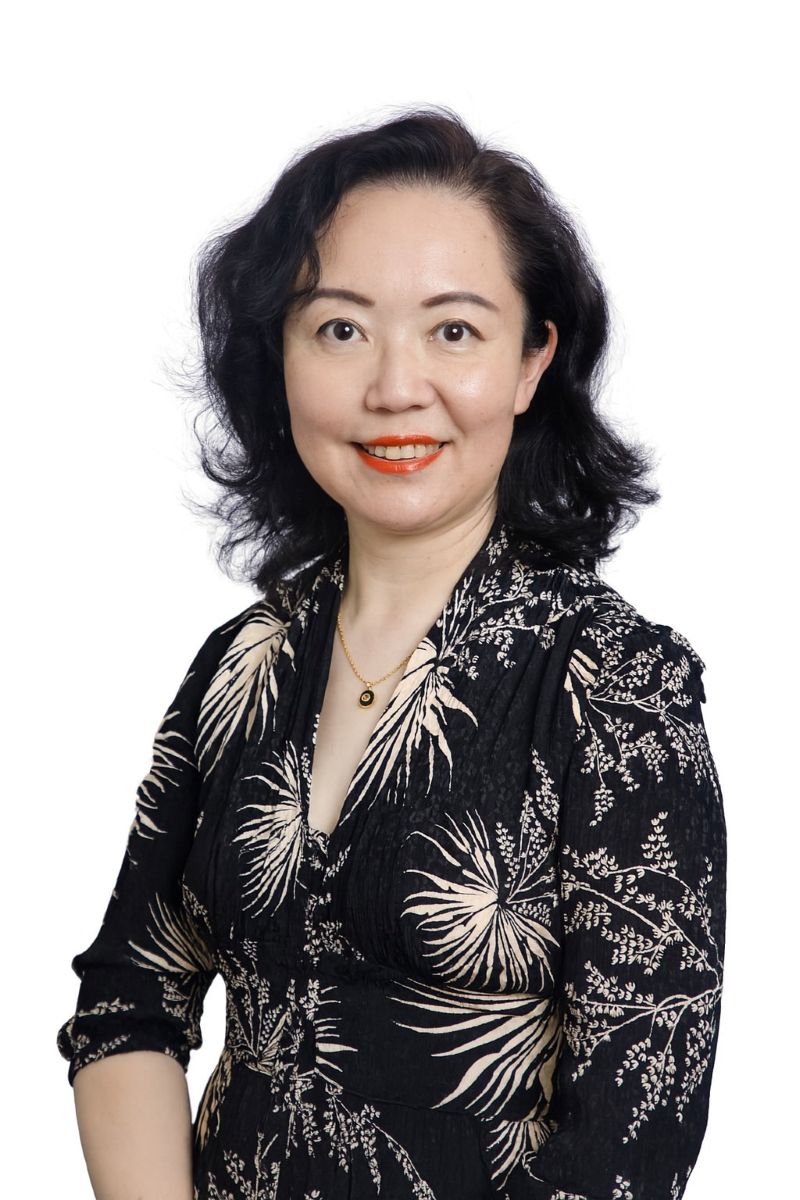
She said: “Asia is investing in new ships, but new ships need new skills. With more LNG and alternative fuel vessels entering the market, the industry has to be honest about whether crew training is keeping pace with the technology being put on board. A modern vessel does not remove risk if the crew are not properly prepared to operate it. The risk simply moves into the way the ship is managed, maintained and operated.”
Ms Ju added: “Crew seminars are important, and we are doing more of them this year, but they cannot solve this alone. The industry needs more systematic training, stronger safety management and better situational awareness on board.
“This is not just a crewing issue. It is a casualty prevention issue. As ships become more complex, the industry has to make sure the people operating them are ready for that complexity.”
Robban Assafina is now on WhatsApp channel. Click Here


