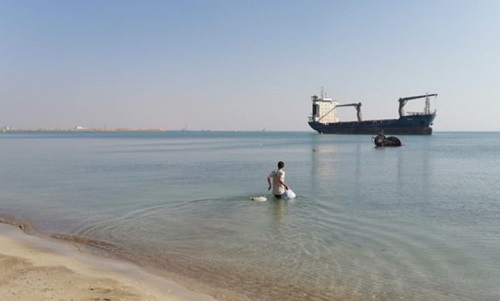
Seafarer abandonment cases are on the rise once again with the legal committee at the International Maritime Organization (IMO) determined to put fixes in place to help stranded crew.
The IMO’s legal committee met last week during which it was noted that according to the database jointly administered by the IMO and the International Labour Organization there had already been 30 cases of abandonment reported in less than three months of 2022. In calendar year 2021, a record 95 new cases had been reported. Of these cases, only 31 had been resolved. In calendar year 2020, the total number of reported cases was 85. Of these, 43 cases had so far been resolved.
The committee encouraged discussion relating to a solution to the problem of repatriation of abandoned seafarers. Flag states and port states were urged to take further action to ensure the presence of financial security, as required by the Maritime Labour Convention.
Draft guidelines for port state and flag state authorities on how to deal with seafarer abandonment cases, developed by an intersessional correspondence group, were endorsed by the committee.
Last year, three of the world’s largest seafaring nations proposed the establishment of a seafarers’ mutual emergency fund to support abandoned crew.
China, Indonesia, and the Philippines introduced the idea of a mutual emergency fund although it has yet to be endorsed by IMO member states.
In January this year maritime charity Sailors’ Society launched a fund to provide urgent welfare grants for seafarers and their families in desperate need.
The Sea Change Fund provides small emergency payments to seafarers and their dependents matching the grant criteria, to help address immediate needs. Grants are made via application and can assist with a range of pressing welfare needs, including help with vital bills like food and medicine, education costs, or in emergency situations such as cases of abandonment.
Earlier this month the Geneva Declaration on Human Rights at Sea was launched to define and defend the human rights of the global maritime population and those crossing the world’s oceans and seas.
Developed by UK-based NGO Human Rights at Sea (HRAS), the declaration targets human rights abuses stemming from piracy, criminal violence, breaches of maritime labour rights, seafarer abandonment, slavery, trafficking, child labour, and failures in equality and inclusion.
Source: Splash247
| Read Here | |
|
|