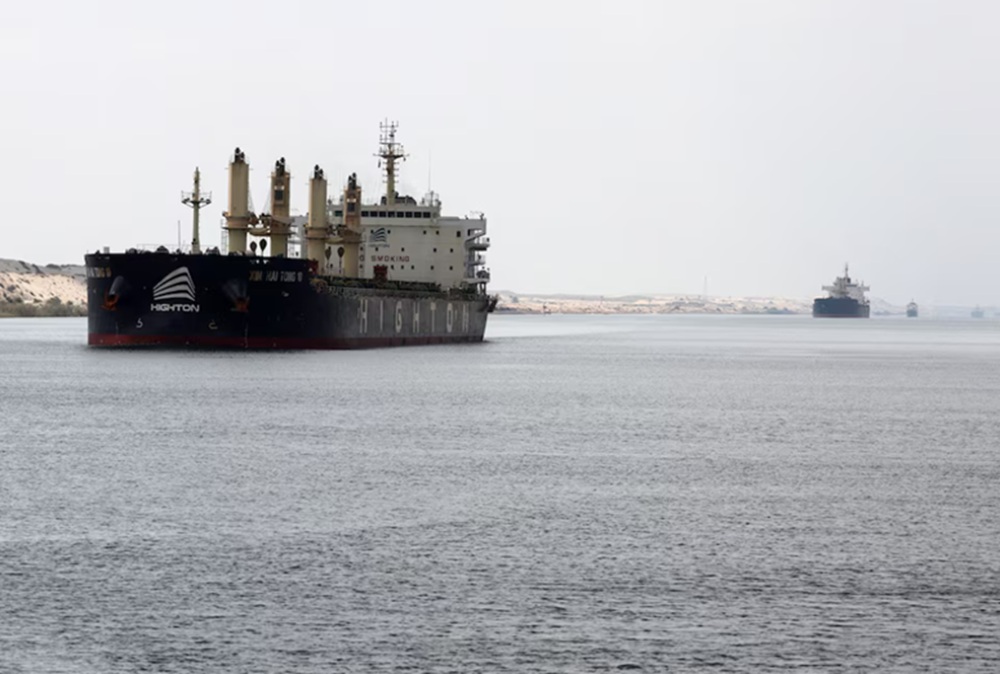
Asian refiners are rerouting Saudi crude shipments from Red Sea ports via the Suez Canal and around the Cape of Good Hope after Yemen’s Iran-aligned Houthis announced a naval blockade on Saudi Arabia, adding fresh pressure to regional energy supply chains.
The shift marks the latest disruption to global oil trade stemming from the U.S.-Israeli war with Iran, which has significantly tightened crude supplies and forced refiners to seek alternative barrels and shipping routes. On Tuesday, two Saudi crude tankers bound for Asia reversed course in the Red Sea following Houthi threats, while vessel traffic through the Strait of Hormuz continued to decline at the start of the week.
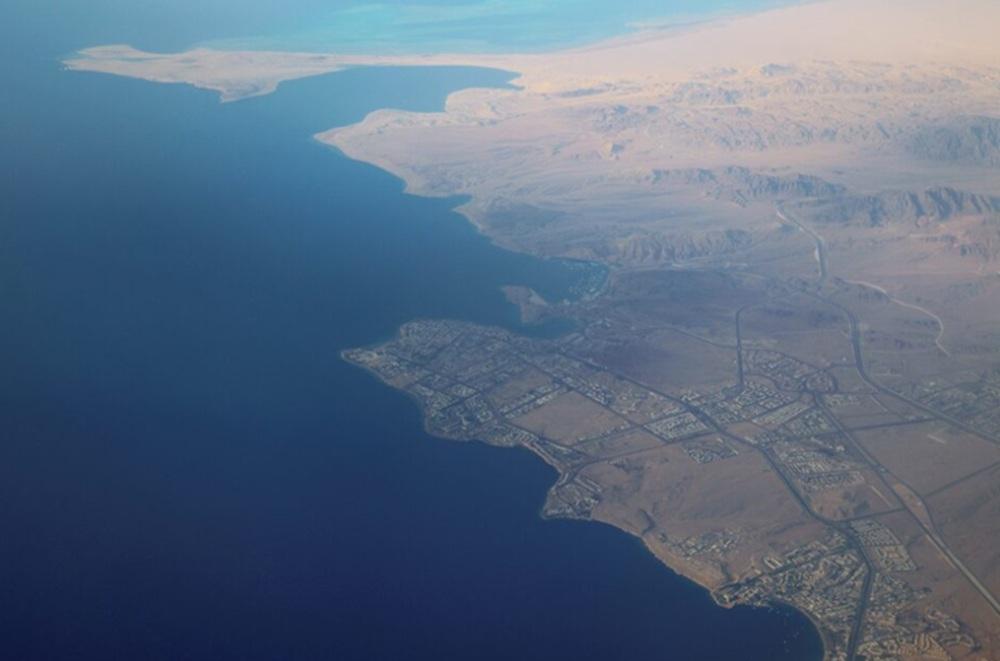
Shipping west toward Egypt from Saudi Arabia's Red Sea port of Yanbu, and passing through the Suez Canal and rounding the Cape of Good Hope in Africa, will require as much as four additional weeks and raise freight and fuel costs, analysts and industry experts have warned, compared to the typical route of heading east from Yanbu to the Arabian Sea.
VESSEL TAKES LONG PATH TO INDIA
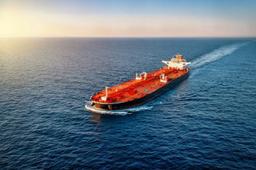
Liberia-flagged vessel Rodos, which loaded crude oil at Yanbu and headed to India's west coast, was pointing west and signaling the Suez Canal, ship-tracking data via LSEG and Kpler showed on Tuesday.
South Korean refiner Hyundai Oilbank was seeking a Very Large Crude Carrier on Tuesday to load oil at Yanbu with the option of using the Suez Canal and Egypt's SUMED pipeline, which links the Red Sea and Mediterranean Sea, to head to South Korea, according to a shipping source.
A fully loaded VLCC cannot traverse the Suez Canal due to its draft limit and shippers often lighten the vessel's load on the Red Sea side before entering the canal by moving a portion of the oil on Egypt's SUMED pipeline. The ship picks up the oil on the Mediterranean side after it passes the Suez Canal with a lighter load.
Charterers could use the SUMED pipeline and Suez Canal at their discretion, or if the Bab el‑Mandeb Strait, the southern gateway to the Red Sea, is fully blocked, the shipping source said. The parties would calculate the cost of the deviation later.
The Suez Canal and SUMED pipeline are commonly used for shipments from the Red Sea to Europe.
"Changing behavior by tankers tells us that they are taking the threats seriously," said Matt Smith, commodity research director at Kpler. He added that the Houthis' disruption comes at a difficult time for Saudi Arabia as its crude and products transiting Bab el-Mandeb climbed to a record last month at over 4 million barrels per day.
Robban Assafina is now on WhatsApp channel. Click Here