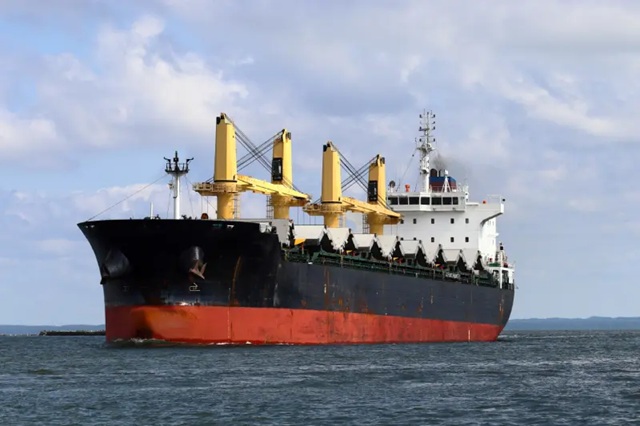
According to data from AXSMarine Dry, a total of 338 bulkers has been recorded in the Middle East Gulf. This includes 4 Capesizes, 3 Baby Capesizes, 15 Post-Panamaxes, 71 Panamaxes, 23 Ultramaxes, 44 Supramaxes, 17 Handymaxes, and 62 Handysize units, as well as 161 small bulkers. This situation is contributing to a tightening in vessel supply. As of writing, only one attack on bulkers has been reported, involving a 30,000-dwt vessel.
Disruptions in a key energy corridor have affected around 20 mb/d—about 20% of global oil traded—especially disrupting heavy and medium-sour crude flows. With major export terminals impacted, crude prices have surged, pushing ICE Brent above $100/bbl. The shock has spread to Asia, where countries are seeking alternative supplies while some companies are issuing force majeure notices. At the same time, marine fuel availability is becoming an emerging concern. Some operators have already reported difficulty performing on contracts due to challenges in sourcing fuel. In parallel, disputes over Bunker Adjustment Factor (BAF) clauses are creating additional friction in the spot market.
Meanwhile, this is particularly problematic for tramp shipping, where dry bulk vessels typically operate with minimal fuel buffers. In such a system, even short-term disruptions in bunker supply can quickly translate into operational constraints, particularly for larger ocean-going vessels that traverse longer distances.
Ultimately, duration risk aka the potential for political tensions, conflicts, or policy shifts to persist over an extended period, are invalidating the ability for “scenario planning” and will reward players who had operational resilience to withstand stresses.
Conversely, a near-term reopening of Hormuz would likely support an eventual normalisation in market conditions towards mid-year. Dry bulk demand could recover, supporting trade flows across both the Atlantic and Pacific basins. Coal prices may stabilize, while oil and LNG markets could retrace from recent highs. In addition, fertilizer and biofuel production is expected to gradually return to typical levels following recent price volatility.
Robban Assafina is now on WhatsApp channel. Click Here