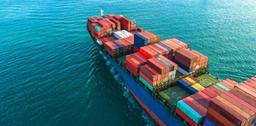
The global shipping industry is facing increasing strain as multiple challenges converge. Operational disruptions, rising costs, and logistical barriers are placing pressure on the movement and availability of seafarers.
While the industry often focuses on freight, routing, and insurance, there is a growing concern about the human element: whether enough crews will continue to join and leave vessels under increasingly difficult conditions.
These pressures are no longer confined to what happens at sea. Security concerns, higher-risk operating conditions, and travel complications for relief crews are combining with personal and logistical pressures, creating a cumulative impact that could affect the sustainability of global crewing practices. Fatigue, family concerns, and other operational barriers are intensifying simultaneously, and the industry may be underestimating the potential consequences.
Mark O’Neil, CEO of Columbia Group, said: "The industry needs to ask itself a very direct question: are we creating the conditions for a wider crewing shortage? If seafarers are being asked to accept greater personal risk, while at the same time it becomes harder and more expensive to move them to and from vessels, then this stops being only a security issue.
It becomes a workforce issue for the industry. You cannot look at this purely through the lens of vessel transit or insurance premiums. You also have to look at what is happening behind the scenes, including the pressure on crew changes, the uncertainty around repatriation, the rising cost of flights, and the effect of fuel disruption in countries like the Philippines, which remain critical to global crewing."
He continued: "Shipping should be very careful not to mistake professionalism for unlimited tolerance of danger. There comes a point where fear, fatigue, family pressure and logistics all start pushing in the same direction. If that happens, the next crisis for shipping will not just be about trade routes. It will be about whether there are enough people willing to serve on them. At the end of the day, shipping depends on seafarers. If the industry does not take seriously what this environment is doing to crew confidence, crew mobility and crew welfare, it will be facing more than temporary disruption. It will be facing a serious crewing problem."
Robban Assafina is now on WhatsApp channel. Click Here