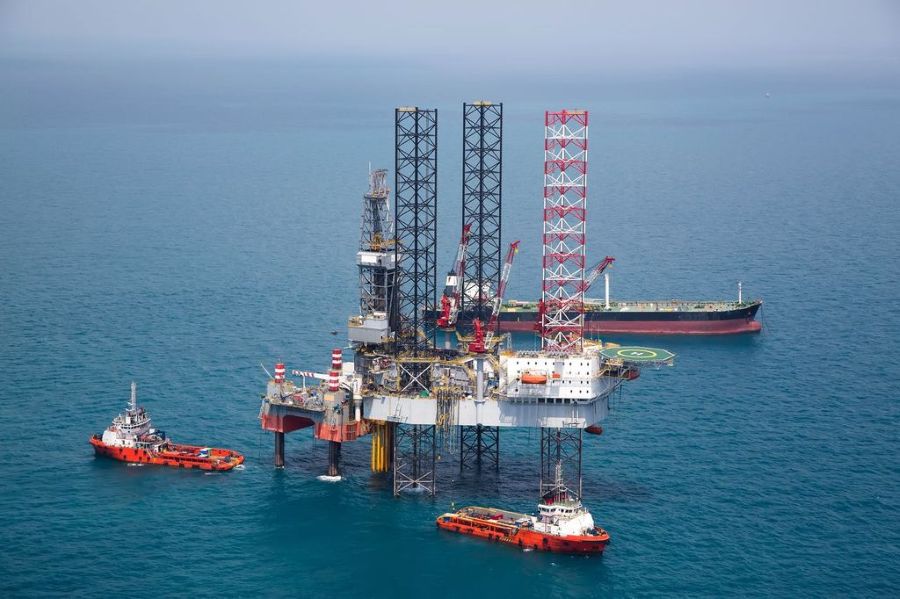
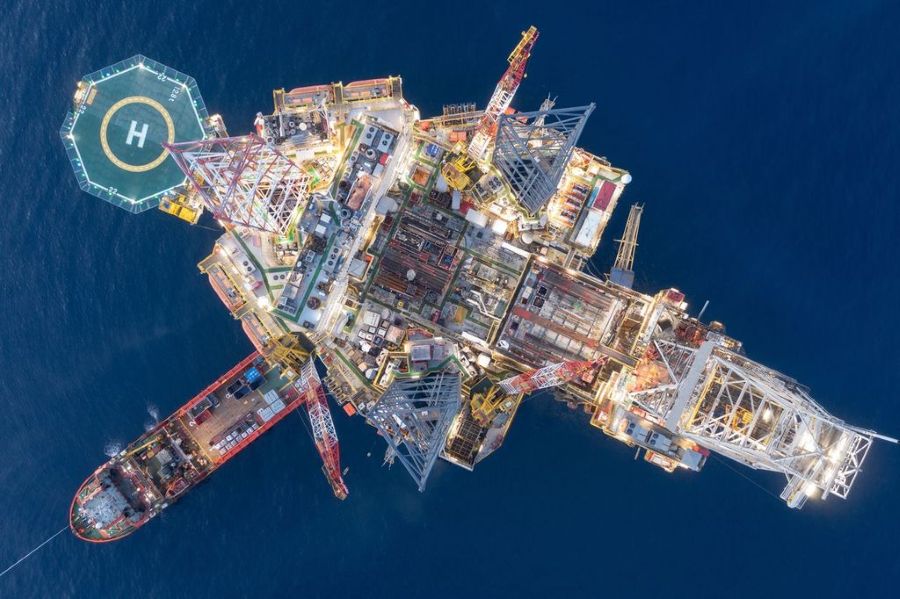
Few industries demand as much resilience as offshore and maritime. It’s a tough life, no doubt. But it’s the determination of the crews that keeps the global economy moving. That’s exactly why crew welfare is no longer a secondary concern, but a business priority.
As the global energy sector continues to evolve, it’s important to understand what it really takes to support this high-performing workforce. At the Oil & Gas Middle East Awards 2026, this shift became clear when IEC Telecom was honoured as the winner of the CSR Initiative of the Year for its IEC Welfare system.
While the award recognises technical excellence, the real story is about supporting crew resilience and well-being through reliable communication. Besides supporting their workforce, companies that invest in structured welfare systems are also strengthening their position in the industry.
Understanding The Impact of Isolation at Sea
For offshore professionals, a rotation means being cut off from everyday life. In the past, time at sea usually meant losing touch with family, missing out on news, and putting personal growth on hold. This isolation has a direct, measurable impact on mental health.
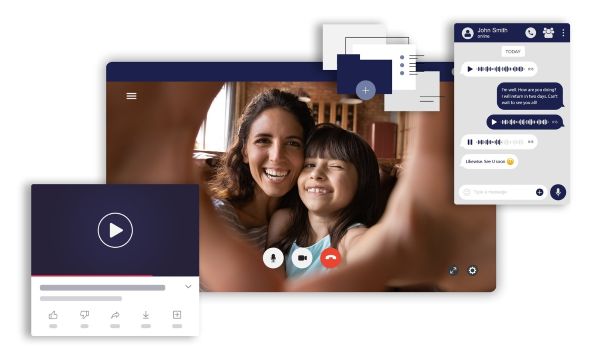
A 2024–2025 analysis highlights that mental health outcomes among seafarers are significantly influenced by onboard working conditions and communication structures, with poor communication linked to worse outcomes. When a crew member cannot check in on a sick child, celebrate a birthday via video call, or simply browse the news, the psychological weight of the rotation increases.
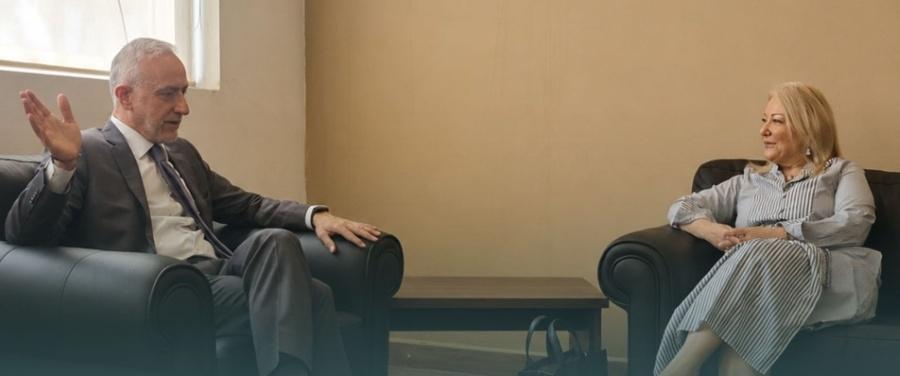
“Improved connectivity allows personnel to bring a piece of their home life into the most demanding work environments on earth,” says Alaa Alsadi, VP Commercial - Energy, IEC Telecom. “With IEC Welfare, we provide a practical way for operators to give back to their workforce while maintaining a sustainable and efficient framework for managing connectivity. This recognition reinforces our belief that technology can play a meaningful role in improving working conditions and supporting a more responsible and human-centric energy industry."
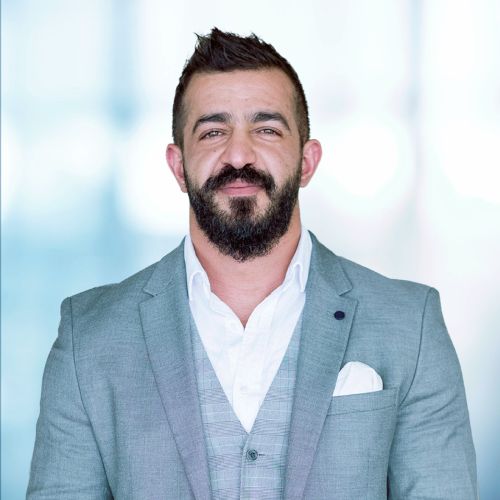
Alaa Alsadi, VP Commercial - Energy, IEC Telecom
Achieving Digital Equality with a Managed Approach
One of the most significant challenges in multi-user environments, such as accommodation barges, offshore platforms, and a dispersed fleet of the offshore support vessels (OSVs), is the equitable resource allocation. Without a structured framework, bandwidth inconsistency is common, where a few high-consumption users inadvertently slow the network for everyone else.
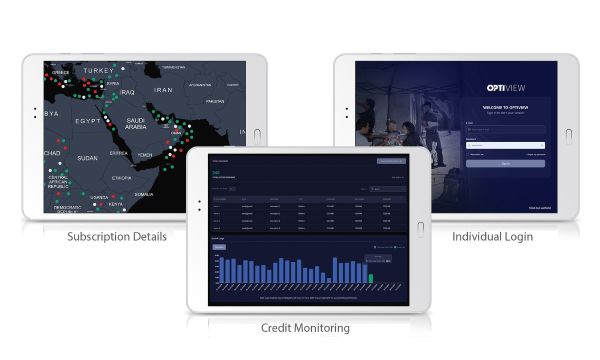
The award-winning IEC Welfare system addresses this through a lens of Digital Equality. By utilising intelligent traffic optimisation, the system ensures that every person on board has fair and consistent access to communication in accordance with a predefined policy. This structured approach prevents the frustration caused by lag or connectivity blackouts. When access is fair and transparent, it reinforces a positive onboard culture and reduces the friction that can arise in isolated, high-pressure environments.
A Connectivity Model Built Around Real Human Needs
Apart from social connection, the modern crew member seeks self-improvement and engagement. The offshore workforce is becoming more diverse, and many of them see the internet not just as a connection, but as a way to grow and develop.
A truly human-centric connectivity model enables access to e-learning platforms, allowing seafarers to upgrade their skills during downtime. It facilitates telemedicine, providing a direct link to health professionals for non-emergency consultations. It provides access to news and leisure content, ensuring that personnel remain informed and engaged in digital life. By treating the crew as connected professionals rather than just manual labour, companies signal that they value their employees' future and well-being.
A Global Shift Toward Human-Centric Operations
The recognition of IEC Welfare on a global stage reflects a broader industry transformation. While the Middle East and the GCC continue to lead the way in setting new benchmarks for workforce wellbeing, this is a global movement. Supporting thousands of rotating offshore personnel across dozens of international projects, the initiative has shown a staggering 85% reduction in user complaints and a significant boost in overall morale.
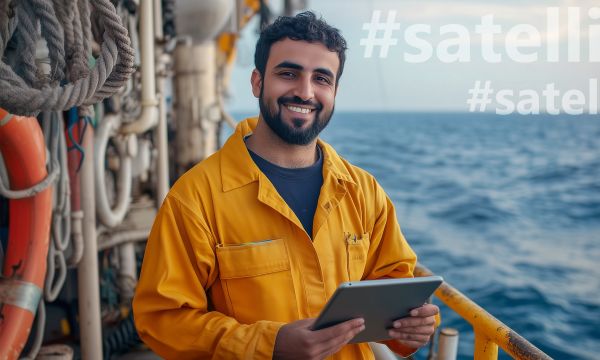
Apart from being a moral obligation, investing in crew wellbeing is a strategic move. A motivated, connected, and mentally healthy team is a safer and more efficient team. As we look toward the future, the integration of managed connectivity into CSR strategies will be the standard by which responsible operators are judged.
Robban Assafina is now on WhatsApp channel. Click Here