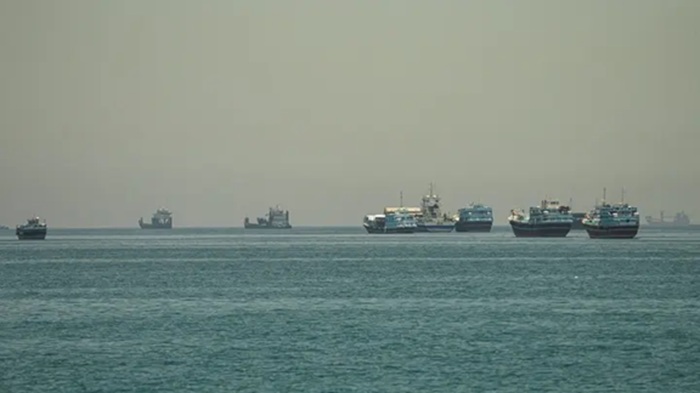
Roughly one-quarter of the non-Iranian large oil tankers trapped inside the Arabian Gulf at the outbreak of the Iran war have managed to slip out in a slow, stealthy trickle.
Twenty-nine of the 109 bigger vessels, those capable of hauling 700,000 barrels or more, which were stranded when the Strait of Hormuz was effectively shuttered after the conflict erupted on Feb. 28 have now crossed the chokepoint, shipping data compiled by Bloomberg show.
While that flow is a fraction of the crude and oil products still locked inside the Gulf, the cargoes have been snapped up by a global.
Faced with the sporadic hostilities of the three-month conflict, the ships have had to resort to unconventional maneuvers to make the passage. Some have made the crossing under the cover of darkness as they strive to avoid the threat of rockets launched from shore. In some cases, the governments of countries taking the cargoes have been forced to lobby for the privilege.
Iran-linked ships have been excluded from the calculation, as these had free passage through Hormuz until mid-April.
Most did not broadcast position signals in the Gulf even before the latest conflict erupted, complicating the tracking of Iranian flows.
Oil traders have been fixated on ships’ attempts to pass through the strait since its closure triggered the biggest energy-supply disruption in history and sent prices for vital fuels soaring. Control over the corridor is central to tortuous negotiations between the US and Iran aimed at ending the conflict.
Source: Bloomberg
Robban Assafina is now on WhatsApp channel. Click Here