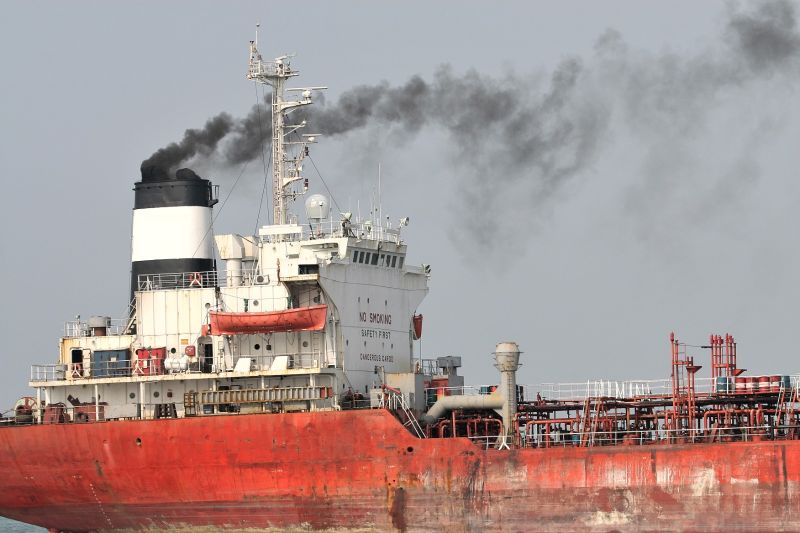
Everllence has raised concerns about the viability of the IMO’s 2023 GHG Strategy to achieve net-zero emissions from international shipping by or around 2050, warning that urgent action is needed to scale retrofit programmes, as reliance on ZNZ fuelled newbuilds alone will not be sufficient to meet the Net Zero Framework.
The company stresses that the industry must convert approximately 50 GW of existing two stroke engine power by 2050 to make the Net Zero Framework attainable, even if all newbuild vessels are capable of operating on zero or near zero fuels by 2030.
This requirement is equivalent to around 2,000 of the largest vessels, including containerships, bulkers, and tankers, highlighting the scale of the transition needed across the global fleet.
Current fleet figures further underline the challenge: out of approximately 30,000 vessels over 5,000 GT equipped with two stroke engines, only about 5,300 are considered potentially suitable for conversion to zero or near zero fuel operation.
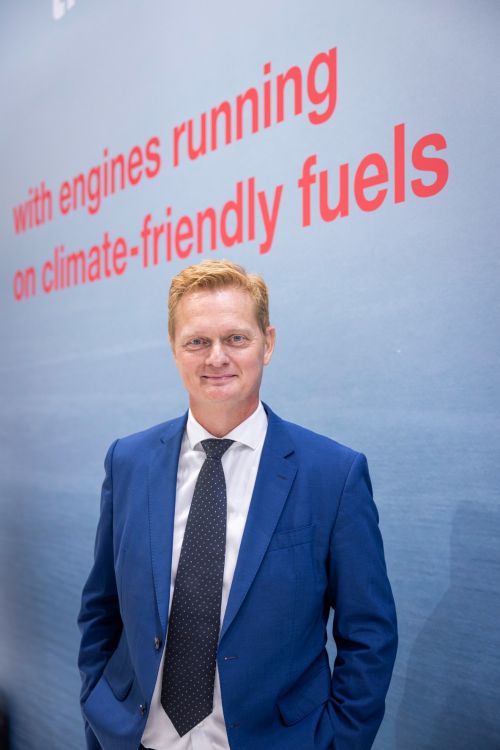
Klaus Rasmussen, Project Sales Director, PrimeServ Denmark, Everllence
Klaus Rasmussen, Project Sales Director, PrimeServ Denmark, Everllence, noted that the retrofit market is currently in decline, as regulatory uncertainty around IMO rules has led shipowners to delay investment decisions. He warned that this hesitation is pushing owners toward interim efficiency upgrades rather than full fuel conversions, risking significant capacity bottlenecks and making it nearly impossible to meet GHG targets in time without immediate action to scale retrofit pathways.
Robban Assafina is now on WhatsApp channel. Click Here