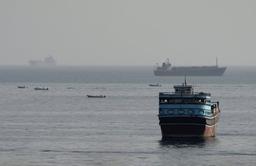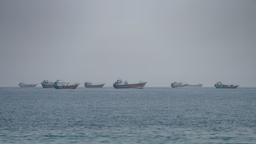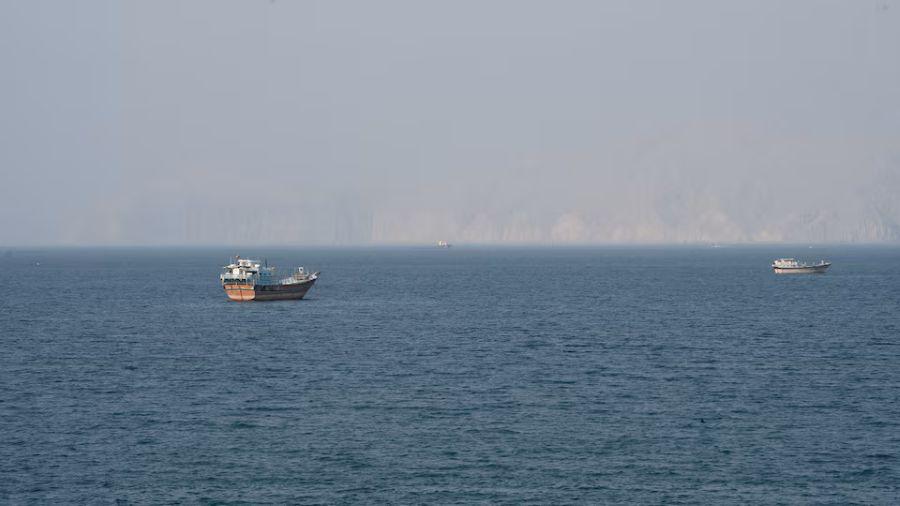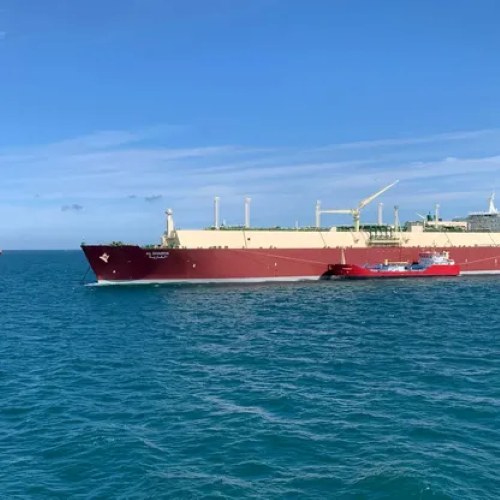
India is exploring options, including potential talks with Iran, to secure the safe passage of at least nine loaded tankers awaiting transit in the Arabian Gulf, as attacks in the Strait of Hormuz threaten to further undermine an already fragile ceasefire.
New Delhi is closely monitoring the movement of vessels carrying crude oil and liquefied petroleum gas, amid growing concerns over maritime security and the stability of one of the world’s most vital shipping routes.Among other steps, the country’s foreign ministry will contact Iranian authorities over the safety of Indian seafarers in the region, the people said, with hundreds stranded for months since the Strait of Hormuz was effectively closed. That includes the 198 mariners onboard the nine tankers ready to transit through the thoroughfare.
India is particularly concerned about crews after at least three Indian seafarers were killed in US strikes on commercial ships in the Gulf of Oman in June, the people said.
Officials at the ministries of foreign affairs, oil and shipping didn’t immediately reply to emailed queries.
An interim peace agreement between the US and Iran in June temporarily increased transits through Hormuz, but those numbers have slowed to a trickle once again after vessels were attacked on Tuesday and the US struck targets in Iran overnight in retaliation.Underscoring the threat to the existing temporary agreement, US President Donald Trump, speaking at NATO’s annual summit in Ankara, called peace talks “a waste of time.”
Still, vessels have continued to transit through the strait on Wednesday — six vessels bound for destinations including India attempted to cross just hours after Tuesday’s strikes. However, at least one India-flagged supertanker, Lila Vadinar, reversed course after reaching the tip of Oman’s Musandam Peninsula, an example of heightened concern among ship operators.
Since the war started in late February, only about 50 India-bound vessels have transited the strait, the people said. Shipments remain well below normal because Indian buyers have yet to fully resume imports of crude oil, liquefied petroleum gas and liquefied natural gas from Middle Eastern suppliers.
Almost 40% of India’s crude imports, 60% of its LNG shipments and 90% of LPG inflows passed through Hormuz before the war began.
Robban Assafina is now on WhatsApp channel. Click Here