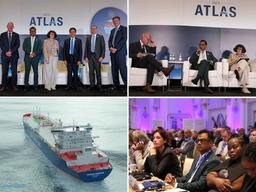
The Maritime Safety Committee has convened for its 111th session (MSC 111) at IMO Headquarters in London from 13-22 May 2026, addressing pressing maritime security and safety challenges.
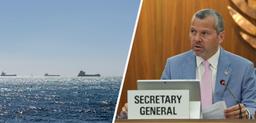
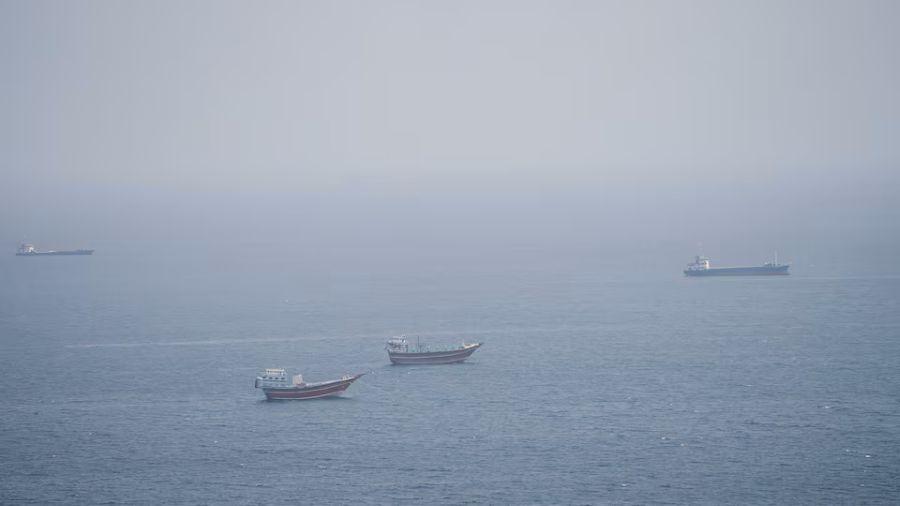
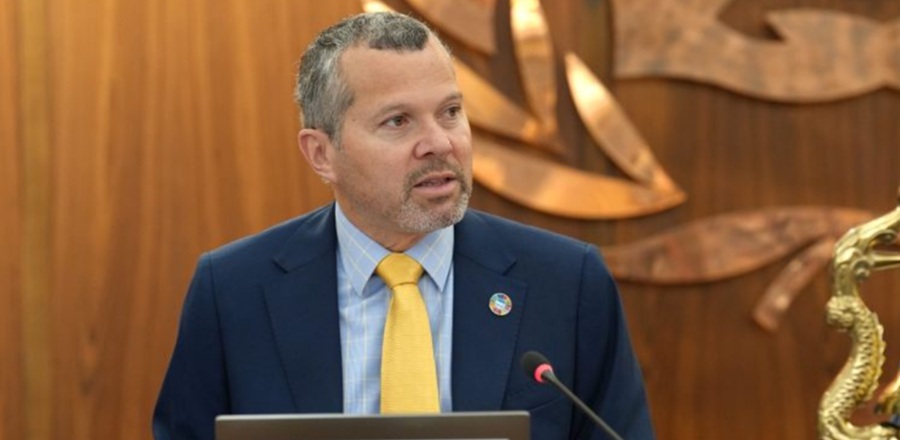
Before turning to the work of this session, the IMO Secretary-General, Arsenio Dominguez, once again addressed the situation in the Strait of Hormuz in his opening remarks, which remains, as he noted, deeply concerning. According to the Secretary-General, a significant number of seafarers are currently stranded on board vessels unable to operate normally or depart the region, effectively confined for prolonged periods in a high-risk environment.
To remind, as part of the session agenda, the IMO Secretariat has prepared, for the Committee’s consideration, draft guidance on training and certification of seafarers affected by the situation in the Arabian sea, the sea of Oman and the Gulf region, particularly in and around the Strait of Hormuz.
"The fundamental principles are clear and unquestionable: freedom of navigation must be respected; the safety of seafarers and ships must be ensured; and seafarers and merchant vessels must never become collateral victims of geopolitical tensions. These principles must translate into action."
…said Dominguez.
The Secretary-General has also been mandated to facilitate efforts aimed at establishing maritime corridors for the safe evacuation of seafarers, should circumstances require it. The plan is firmly anchored in international law and IMO standards and is intended to be implemented by the relevant countries. Work to operationalize these arrangements remains ongoing.
However, it was emphasized that it is unacceptable for continued disagreements to prevent implementation of the plan, leaving seafarers confined on board ships for months on end. Practical solutions for implementation exist. The obstacle is not the absence of a legal basis, but rather the inability to reach agreement without further delay, in the interests of safety, responsibility and humanity.
Furthermore, attention was also drawn to renewed reports of piracy and armed robbery against ships off the coast of Somalia, a development of growing concern. This serves as a reminder that progress achieved over recent years remains fragile and requires sustained vigilance.
Turning to the work of the session itself, delegates were reminded that the agenda before them is extensive and closely aligned with the theme of this year’s World Maritime Day: “From Policy to Practice.”
Participants will be invited to consider and adopt important amendments to mandatory instruments, including the SOLAS Convention and several key codes, thereby strengthening the global maritime safety framework and supporting effective implementation by Member States.
A particularly significant opportunity during the week will be the advancement of work toward finalizing the first international Code for Maritime Autonomous Surface Ships (MASS Code).
"Progress on this Code represents a significant milestone for the Organization. It demonstrates IMO’s ability to anticipate technological developments and to provide a clear, global and safety driven regulatory framework, ensuring innovation is introduced responsibly and without compromising safety, accountability or the critical role of the human element. Finalizing this Code would be a strong and concrete illustration of moving from policy to practice."
…Arsenio Dominguez highlighted.
Robban Assafina is now on WhatsApp channel. Click Here