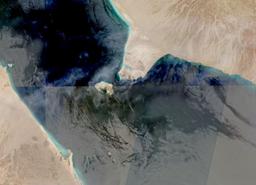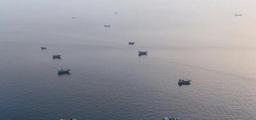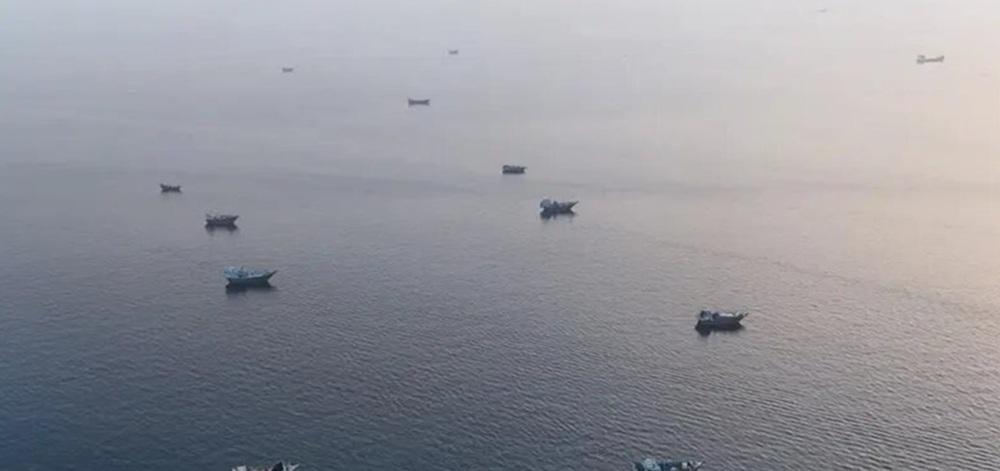
The Secretary-General of the International Maritime Organization (IMO), Arsenio Dominguez, strongly condemned recent attacks on merchant vessels in the Strait of Hormuz, warning of growing risks to global maritime security and the safety of seafarers.
Speaking at the opening of the twelfth session of the IMO Sub-Committee on Ship Systems and Equipment (SSE 12) in London on 9 March 2026, Dominguez expressed grave concern over the incidents, which resulted in at least seven fatalities and several injured seafarers, some of them gravely.
He stressed that any attack on civilian shipping is unacceptable, emphasizing that seafarers perform an essential role in sustaining the global flow of goods and energy.
“Seafarers are simply carrying out their duties. They must be protected from the consequences of broader geopolitical tensions,” he said.
Dominguez reiterated that freedom of navigation remains a fundamental principle of international maritime law and must be respected by all parties without exception. He also urged shipping companies operating in the region to exercise maximum caution as tensions continue to affect maritime operations.
The IMO chief warned the shipping industry against the dangers of disinformation during periods of heightened maritime tensions, urging companies and operators to rely only on verified and authoritative sources when making operational decisions. He noted that the Organization has made available a dedicated webpage providing regularly updated and verified information to support seafarers, companies, and administrations in accessing reliable updates directly from IMO.
Dominguez also expressed solidarity with injured seafarers and with the families of those who lost their lives, emphasizing that the safety and welfare of crews operating under increasingly difficult conditions remains a top priority.
Women in Maritime
Referring to International Women’s Day marked on 8 March, Dominguez highlighted the global theme “Rights. Justice. Action. For ALL Women and Girls,” stressing the importance of dismantling barriers that continue to limit equal opportunities.
He noted that recent findings from the Women in Maritime Survey provide a clearer picture of existing policies and initiatives across the sector, while also identifying gaps where further action is required. The IMO, he said, remains committed to recognizing the contributions of women who drive innovation, leadership, and positive change in the maritime industry.
Fire Safety Risks
Beyond security concerns, the Sub-Committee session is addressing a range of critical ship safety issues, particularly those linked to evolving technologies and cargo risks.
One of the session’s priority topics is the detection and control of fires on containerships, including proposed amendments to the International Convention for the Safety of Life at Sea (SOLAS) concerning portable infrared thermal imagers and water mist lances, along with the development of associated guidelines.
Delegates are also examining fire risks associated with the carriage of new energy vehicles, including battery-electric cars, which present hazards such as thermal runaway and re-ignition. Proposals under discussion aim to enhance early fire detection and verification measures and assess the effectiveness of existing fire-suppression systems.
Battery Ship Safety
The IMO is also beginning work on a global safety regulatory framework for ships powered by battery energy storage systems as part of broader efforts related to greenhouse gas emissions reduction.
With the number of battery-equipped ships expected to grow significantly in the coming years and potentially reach nearly 18% of the global fleet by 2050, the development of interim guidelines is intended to support the safe implementation of battery technologies while the regulatory framework continues to evolve.
Life-Saving Equipment
The Sub-Committee will also advance work on life-saving appliances, including ventilation requirements for partially enclosed lifeboats, continued goal-based revisions to chapter III and the Life-Saving Appliances Code, and outstanding issues related to self-righting and canopied reversible life rafts for new ships.
The session will also consider the modernization of the 2010 FTP Code to align IMO instruments with modern shipbuilding materials, as well as efforts to improve SOLAS regulation II-2/9 by transforming years of non-mandatory unified interpretations into clearer mandatory regulatory provisions on fire containment.
Dominguez expressed confidence that the meeting, chaired by Hironori Eguro of Japan with Vice-Chair Cristiano Aliperta of Palau, will lead to constructive discussions and progress on maritime safety and regulatory implementation.