Saudi Aramco expects global oil demand to strengthen once the current conflict ends, driven by efforts to replenish depleted inventories, according to Executive Vice President and Chief Financial Officer Ziad Al-Murshed.
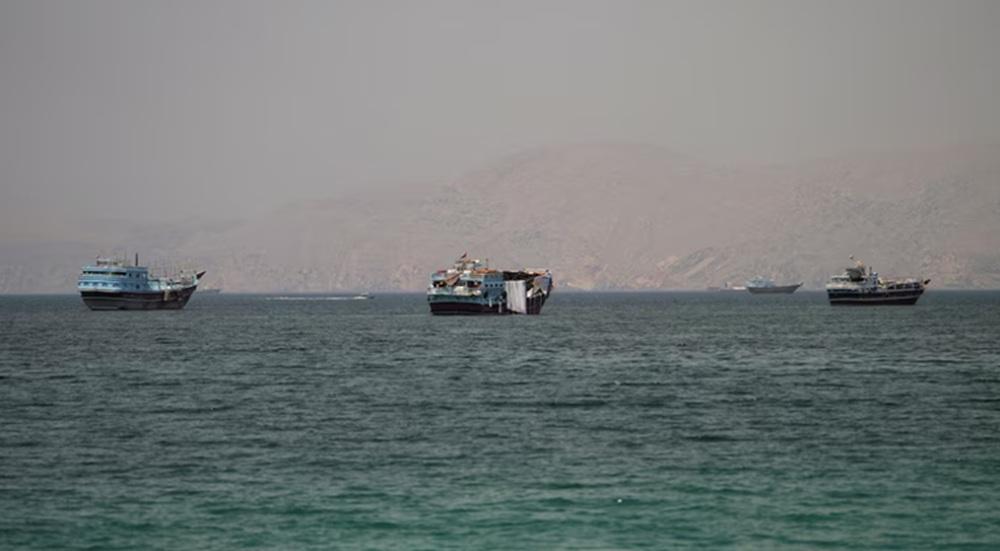
Demand is likely to rise because of the “urgent need” to replenish inventories drawn down due to supply disruptions through the Strait of Hormuz, Al-Murshed told Asharq Bloomberg after the company’s second-quarter earnings beat estimates.
“We are well positioned to benefit from the increase in demand,” he said, citing the company’s “spare production capacity, together with our strong financial position and a gearing ratio that is the lowest among our global oil peers.”
Al-Murshed’s comments came after the world’s biggest energy company reported second-quarter net income of $33.4 billion, a 33 percent jump year on year that exceeded the average estimate of analysts surveyed by Bloomberg. Revenue climbed 28.1 percent year on year to $139.1 billion in the second quarter.
Strait of Hormuz impact
Earlier, Aramco CEO Amin Nasser said the conflict has removed an estimated 11 million barrels a day of liquids supply from the market, with more than 100 million barrels lost every week the Strait of Hormuz remained closed.
Nasser cautioned that reopening the waterway would not bring rapid relief.
“Even if shipping resumes immediately, rebuilding the depleted inventories could take around 18 months, based on additional supply of 2.1 million barrels a day,” he said.
Aramco’s flexibility helped it navigate disruptions
Nasser also said attacks on Aramco facilities, including the ones carried out in July, didn’t result in any material financial or operational impact on Aramco. He said the company is looking at options to increase its current export capacity while also trying to identify “other routes that we can capitalize on.”
The comments will likely ease concerns about threats posed to Saudi energy infrastructure as the war wears on.
Export routes proving key
Al-Murshed also highlighted Aramco’s multiple export routes that have helped the company navigate the Strait of Hormuz effectively, and said that the company’s high usage of local content also helped accelerate repairs to facilities in recent attacks.
On Aramco’s finances, Al-Murshed said Aramco generated a 22 percent return on investment in the 12 months through June 30, the highest in the global oil industry and roughly double the average of its peers.
He also noted how Aramco’s gearing ratio declined to 6.2 percent from 6.5 percent over the 12-month period, despite higher cash distributions and the issuance of new debt.
“That decline may appear small, but it is extremely significant because it occurred during the largest crisis in the history of energy markets,” Al-Murshed said.
Robban Assafina is now on WhatsApp channel. Click Here