Anxiety and anticipation are growing among the families of Egyptian sailors who were kidnapped by Somali pirates while on board an oil tanker off the Yemeni coast, before it was later taken towards Somali waters, in an incident shrouded in mystery, amid official Egyptian assurances that efforts to deal with the crisis will continue.
The fears of the families of the kidnapped were evident in the tone of voice of Amira Muhammad, the wife of one of the kidnapped, who, during her conversation with Asharq Al-Awsat, expressed her concern about the fate of her husband, Muhammad Radi Al-Mahsab, and the rest of the crew members, noting that the feeling of anxiety is escalating day by day in light of the absence of confirmed information or regular communications from the kidnappers or the company that owns the ship.
She added that the family received a single, brief phone call that did not exceed a minute, but it was enough to raise further concern. She said that her husband's voice was clearly tense, and that he spoke of the presence of armed men on board the ship, and of his fear for the fate of the crew in light of the stalled negotiations.
She stated that the call took place a week ago, and that the family has not received any subsequent communications, which has exacerbated feelings of fear and anxiety, amid the absence of any clear indications about developments in the situation or the actual place of detention.
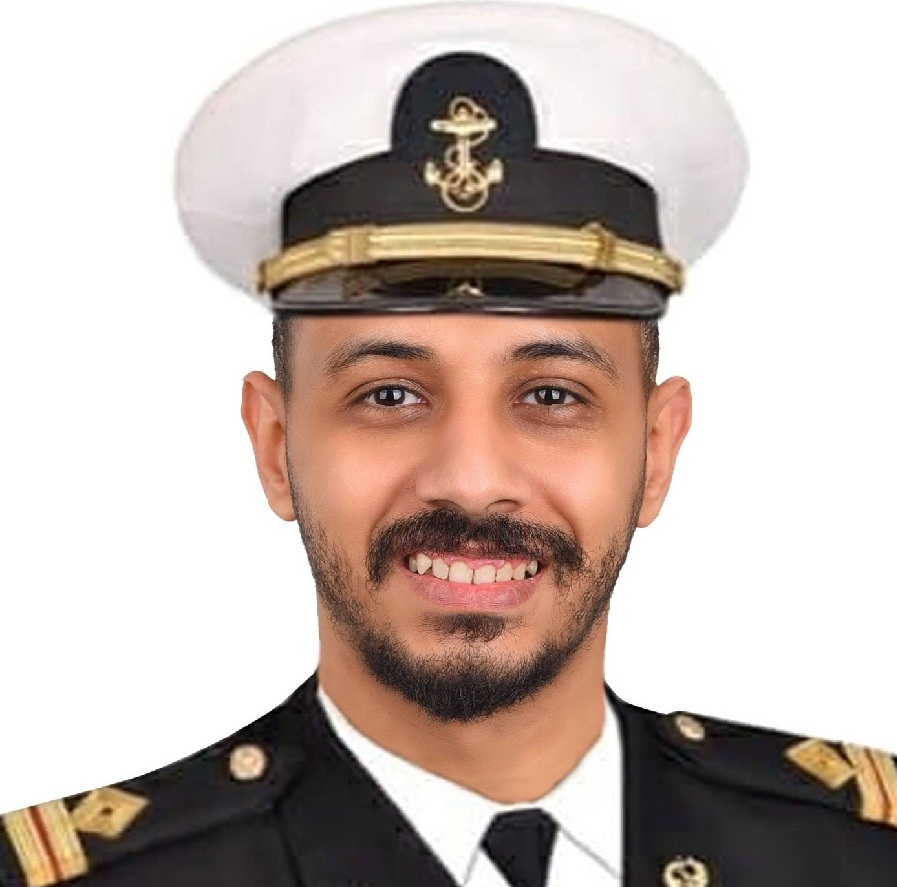
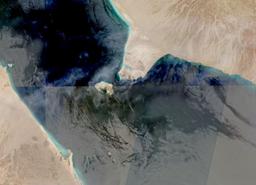
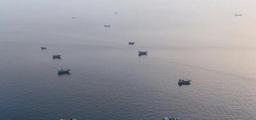
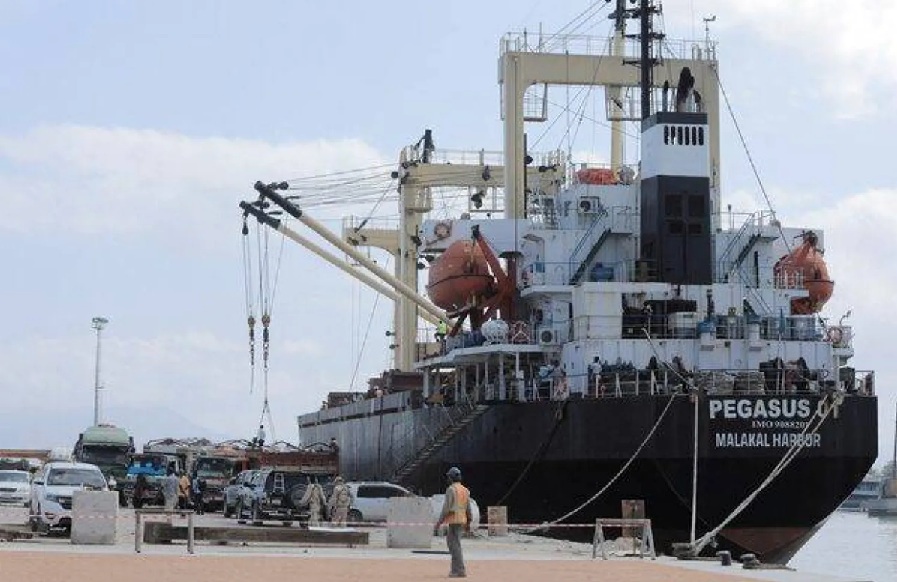
Al-Muhasab is one of eight Egyptians who were on board the oil tanker “MT Eureka” when it was hijacked by unknown gunmen on May 2 near the coast of Shabwa in southern Yemen, before sailing later towards the Gulf of Aden and reaching the Somali coast, according to data from the Yemeni Coast Guard.
The other Egyptians besides Al-Muhasib are: Mo'men Akram Amin, Mahmoud Al-Mikawi, Sameh El-Sayed, Islam Selim, Mohamed Abdullah, Ahmed Darwish, and Adham Gaber.
Calls for faster action
The wife of the detainee called for faster and more effective government action, pointing to the fear and anticipation suffered by the families of the detainees, amid the ambiguity surrounding the fate of their loved ones.
The Egyptian government says it is closely monitoring the incident, confirming continued coordination with its embassy in Mogadishu and communication with Somali authorities to ensure the safety of the sailors and work towards their release as soon as possible.
Egyptian Assistant Foreign Minister Haddad al-Gohary confirmed in televised remarks on Monday that the ministry is giving the matter great attention and is working to provide the necessary support to the sailors' families, in parallel with ongoing diplomatic efforts.
The Egyptian Foreign Ministry had announced in a previous statement that it had instructed its embassy in Somalia to continuously monitor developments and communicate at the highest levels to ensure the safety of the abductees and expedite their release, according to Monday's statement.
Ahmed Al-Mahsab, brother of Mohammed Radi Al-Mahsab, acknowledged that the ministry is making efforts at various levels, but he told Asharq Al-Awsat that families are living under great psychological pressure as a result of the continued ambiguity and the repeated appeals that reflect the extent of their concern for the lives of their loved ones.
He pointed out that the news circulating about the pirates demanding a large financial ransom amounting to millions of dollars is still unconfirmed, adding that “there is no direct contact with the kidnappers, and everything being circulated in this regard is only from the media, while the company that owns the ship, which is an Emirati company, is managing any undisclosed communication, without involving the sailors’ families in the details.”
After the incident remained largely out of the public eye at the beginning of this month, the re-publication of the plea for help from Mohammed Al-Mahsab’s wife on social media on Sunday evening brought it back into the spotlight, prompting political and media action. Some parliamentarians and media figures described what happened as a “criminal act” that requires urgent and decisive international action.
Arab condemnations
Regionally, the United Arab Emirates expressed its strong condemnation of the incident, stressing that it represents a direct threat to the security of maritime navigation and international trade chains, and declaring its full solidarity with Egypt and the families of the sailors, and its support for efforts to secure their release.
The Qatari Ministry of Foreign Affairs also issued a similar statement, stressing the importance of ensuring the security and safety of international shipping lanes as a fundamental pillar of regional and international stability, a position also adopted by the Hashemite Kingdom of Jordan in an official statement.
The Speaker of the Arab Parliament, Mohammed bin Ahmed Al-Yamahi, called on the international community to assume its responsibilities and take urgent action to put an end to these acts that threaten the security of international navigation and endanger the lives of civilians.
For years, the coasts of the Horn of Africa witnessed the phenomenon of piracy, which peaked in 2008 and continued for a decade, causing widespread disruption to shipping in the region, before declining significantly for several years.
However, these activities have resurfaced since late 2023, coinciding with escalating tensions in regional sea lanes and increasing risks to international trade routes.
Robban Assafina is now on WhatsApp channel. Click Here